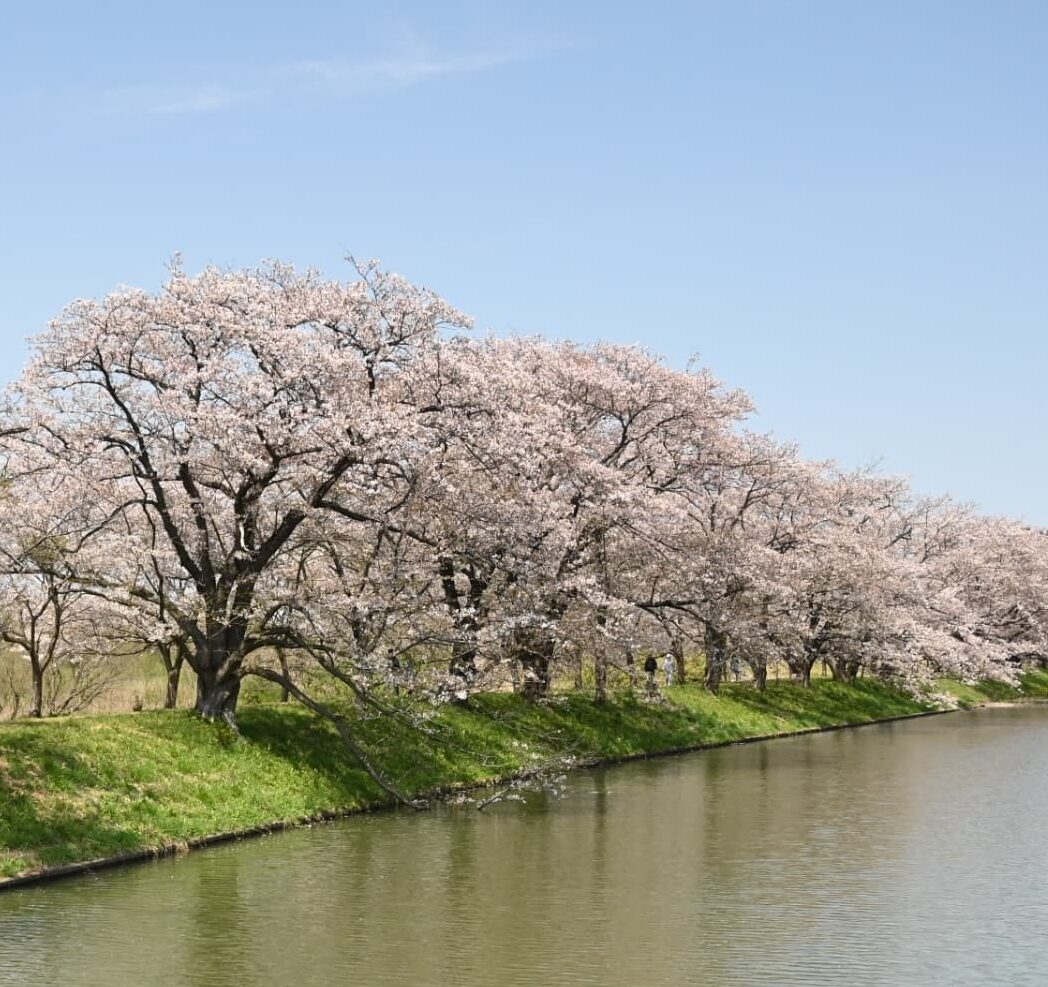
Tree & Plant Comparisons
Many trees and shrubs look remarkably similar, especially when they are viewed without flowers or fruits. Differences in bark, leaves, buds, flowers, fruits, and growth habit can help distinguish closely related species.
This section compares similar plants found in Japan and explains the key features that can be used to tell them apart. Each comparison focuses on practical identification rather than botanical terminology alone.
Featured Comparisons
Japanese Black Pine vs. Japanese Red Pine
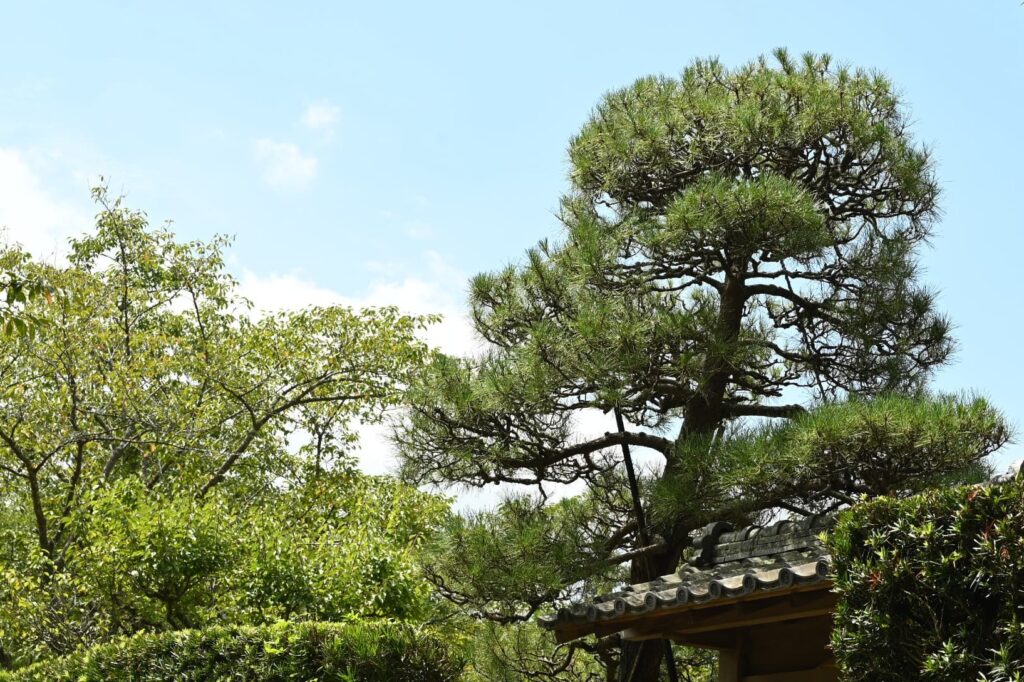 Japanese Black Pine
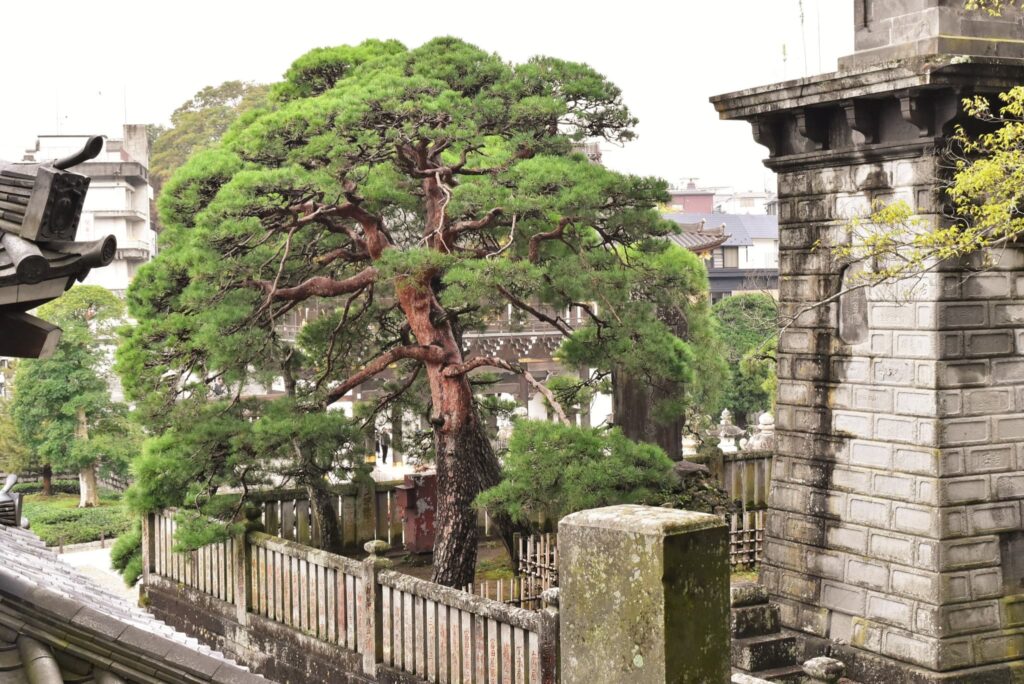 Japanese Red Pine
Hinoki Cypress vs. Sawara Cypress
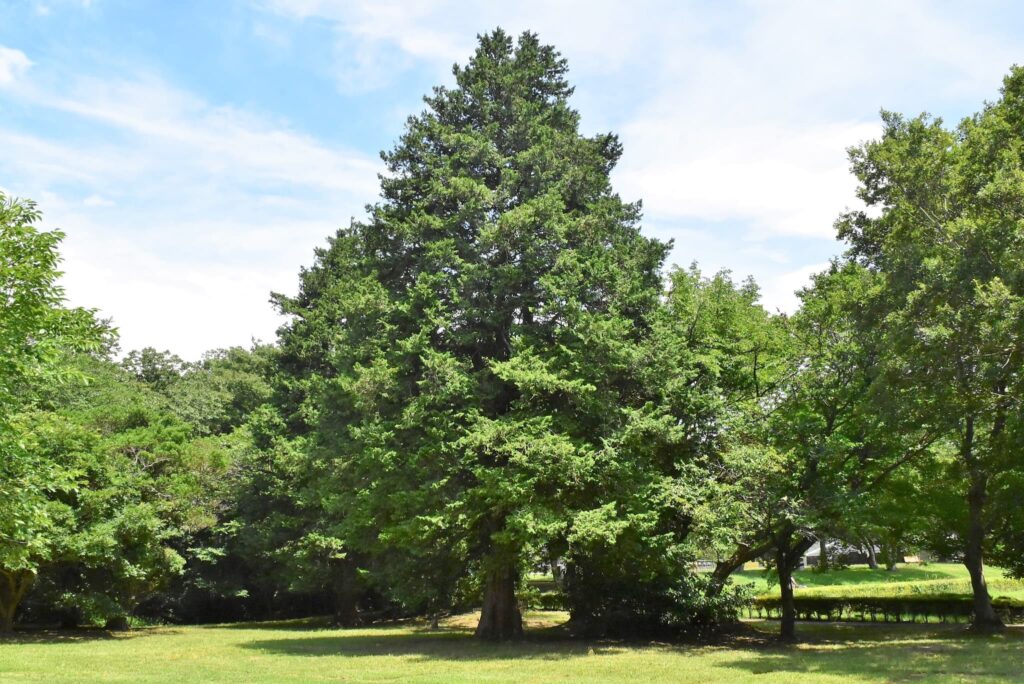 Hinoki Cypress
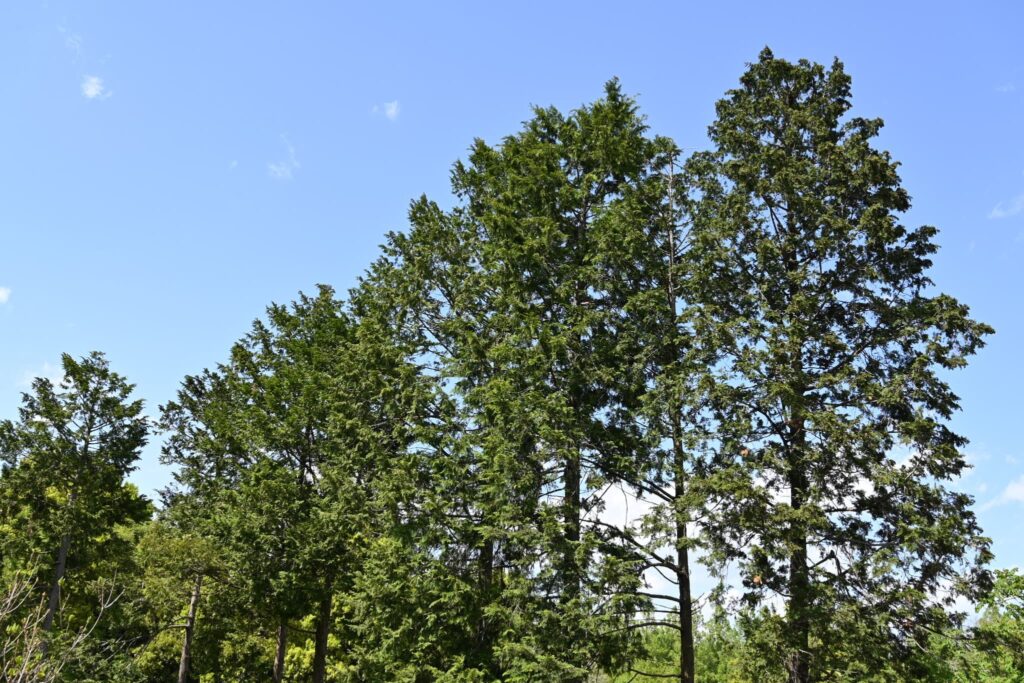 Sawara Cypress
Japanese Cedar vs. Hinoki Cypress
A practical comparison of two important evergreen conifers that are often confused.
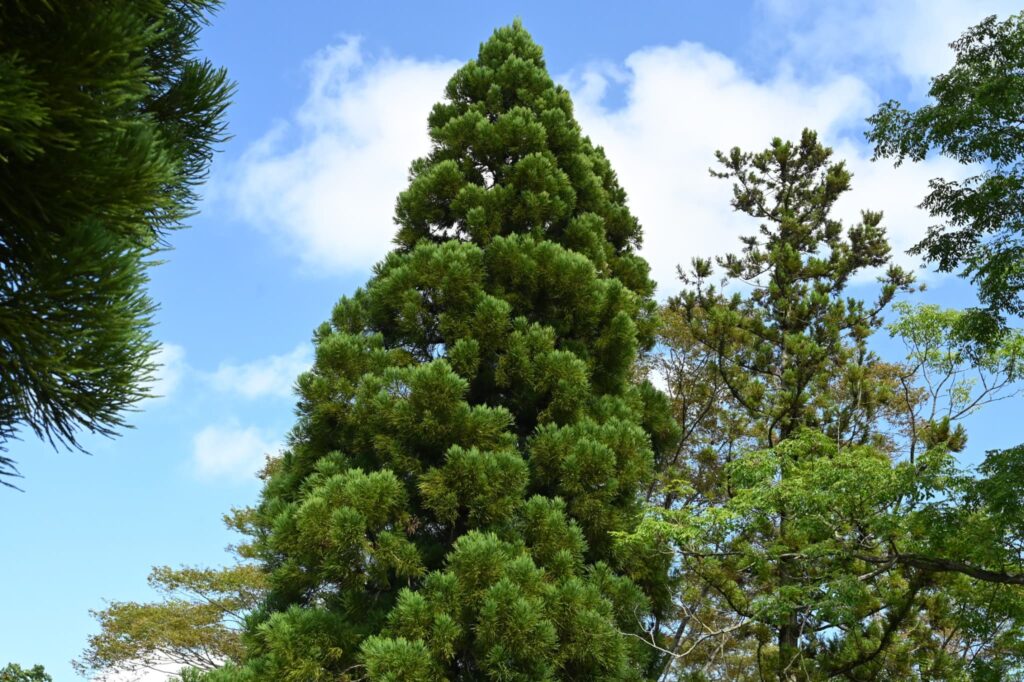 Japanese Cedar
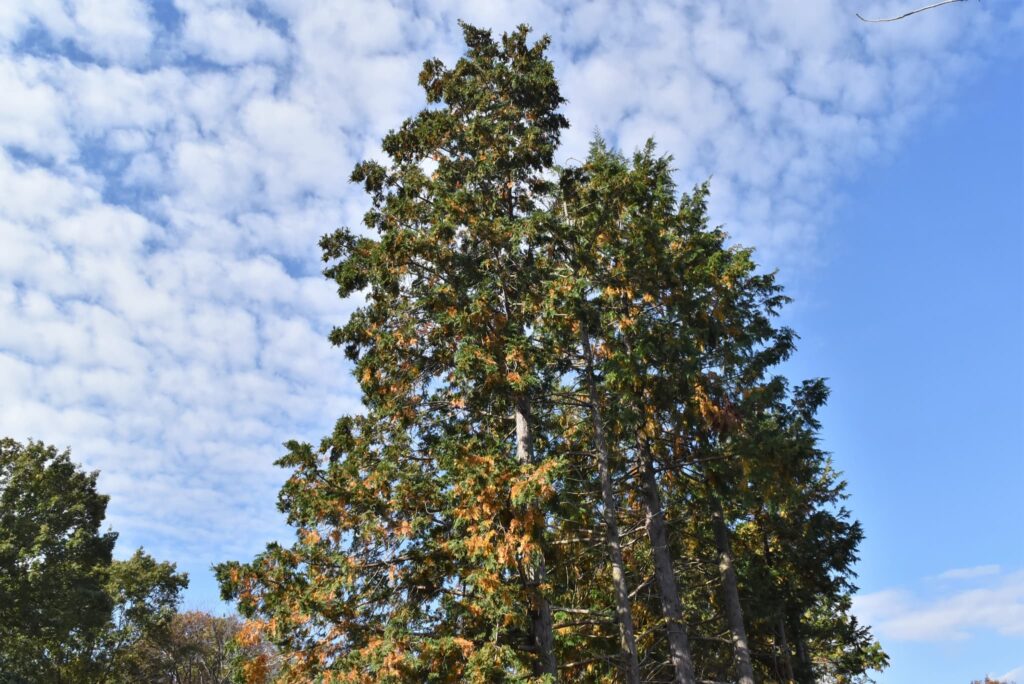 Hinoki Cypress
Conifer Comparisons
- [Japanese Black Pine vs. Japanese Red Pine]
- [Hinoki Cypress vs. Sawara Cypress]
- [Japanese Cedar vs. Hinoki Cypress]
Deciduous Tree Comparisons
- [Mizunara vs. Konara]
- [Japanese Beech vs. Japanese White Birch]
- [Kashiwa vs. Konara]
- [Katsura vs. other Japanese deciduous trees]
Flowering Tree Comparisons
- [Japanese Dogwood vs. Kousa Dogwood]
- [Kobus Magnolia vs. Japanese Bigleaf Magnolia]
- [Japanese Stewartia vs. other flowering trees]
Evergreen Tree & Shrub Comparisons
- [Japanese Holly vs. False Holly]
- [Japanese Aucuba vs. similar evergreen shrubs]
- [Nandina vs. similar evergreen shrubs]
How to Tell Similar Trees Apart
When two species look similar, no single feature is always sufficient for identification. Bark texture and color, leaf shape and arrangement, winter buds, flowers, fruits, cones, and overall growth habit can all provide useful clues.
The most useful feature also varies with the season. A tree that is difficult to identify in winter may be much easier to recognize when it is flowering or producing fruit.
These comparisons combine several visible characteristics to make identification easier in the field.