Mizunara Oak (Quercus crispula): Identification, Care & Uses
Mizunara Oak is one of Japan’s most valuable timber trees, best known internationally as the oak used to make traditional Japanese whisky casks, and grown in cooler mountain regions throughout the country. This guide covers identification features, flowers, acorns, bark, cultivars, and care, based on observations of the tree as grown in Japan.
What Is Mizunara Oak?
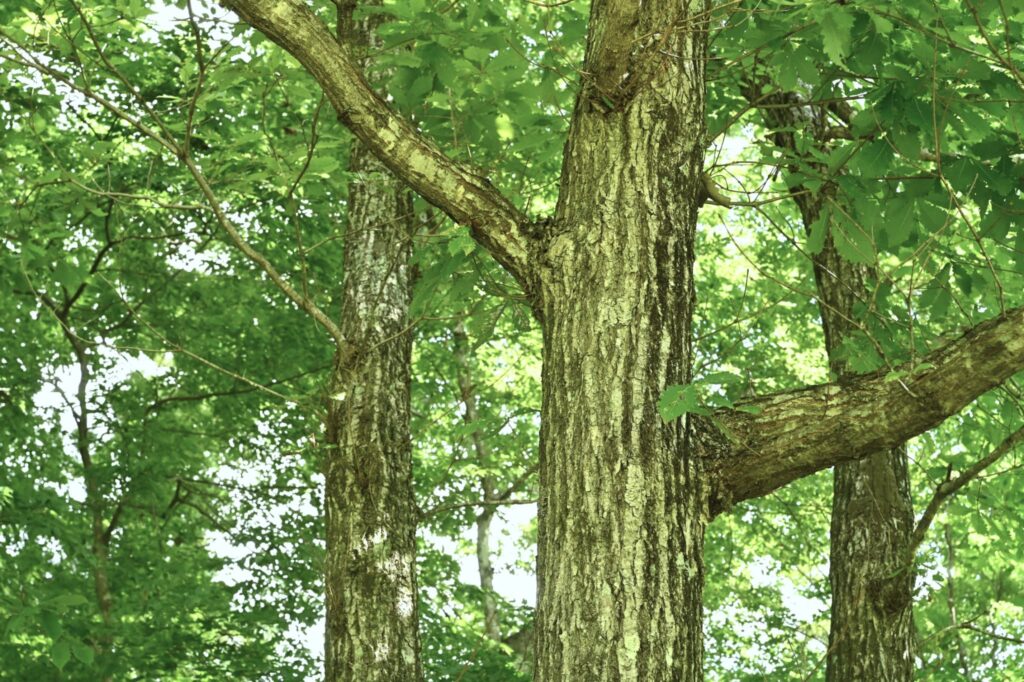
Mizunara Oak is a deciduous tree in the family Fagaceae, distributed across mountainous regions from Hokkaido to Kyushu. Its Japanese name, meaning “water oak,” comes from the high water content of its trunk and branches, which makes the wood resistant to burning. It is used more often as timber than as an ornamental garden tree, though where a wild specimen already exists on a property, its presence is sometimes incorporated into the surrounding landscape design. Outside Japan, it is also found in northeastern China and on the Korean Peninsula.
Overview
| Item | Description |
|---|---|
| Family | Fagaceae |
| Genus | Quercus |
| Species | Q. crispula |
| Scientific Name | Quercus crispula |
| Common Name | Mizunara Oak / Japanese Oak |
| Japanese Name | Mizunara (ミズナラ), also Oonara |
| Native Range | Japan (Hokkaido to Kyushu); also northeastern China and the Korean Peninsula |
| USDA Hardiness | 4–7 |
| Plant Type | Deciduous Tree |
| Height | 20–35 m |
| Trunk Diameter | Up to about 1 m |
| Flowering Season | May–June |
| Fruit Type | Acorn, reaching about 3 cm in diameter, ripening in autumn |
| Garden Use | Landscape feature (where naturally present); primarily valued as timber |
Characteristics
| Feature | Description |
|---|---|
| Leaves | Alternate, oval, coarsely toothed, larger than Konara Oak’s |
| Fruit | Acorn with a scaly lower half |
| Bark | Thin, vertically peeling with age |
| Habit | Large, fast-growing deciduous tree |
Foliage
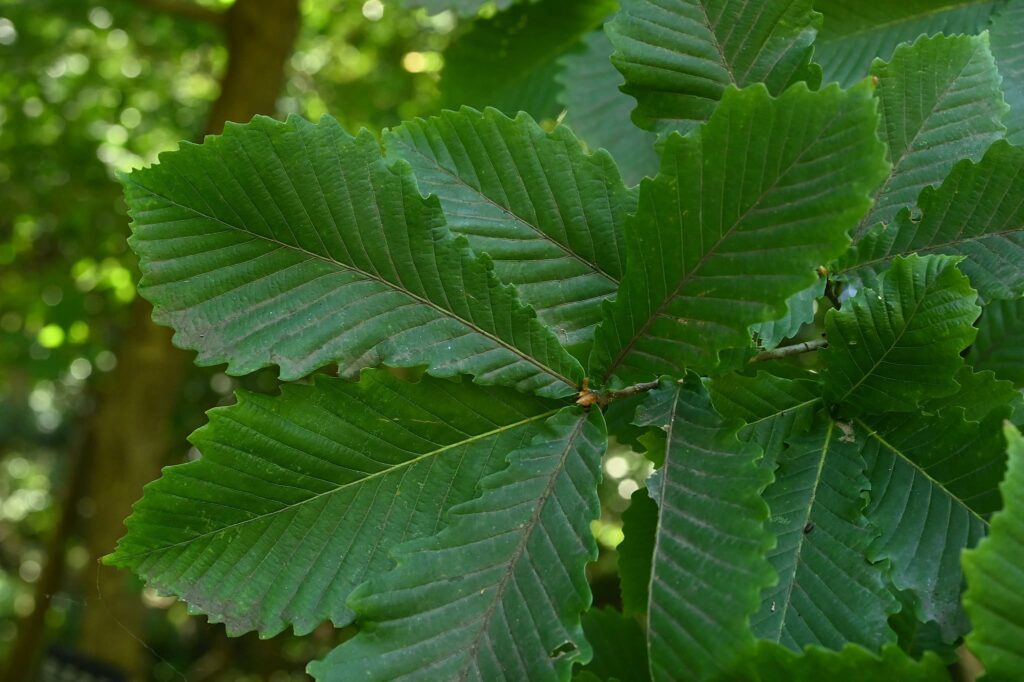
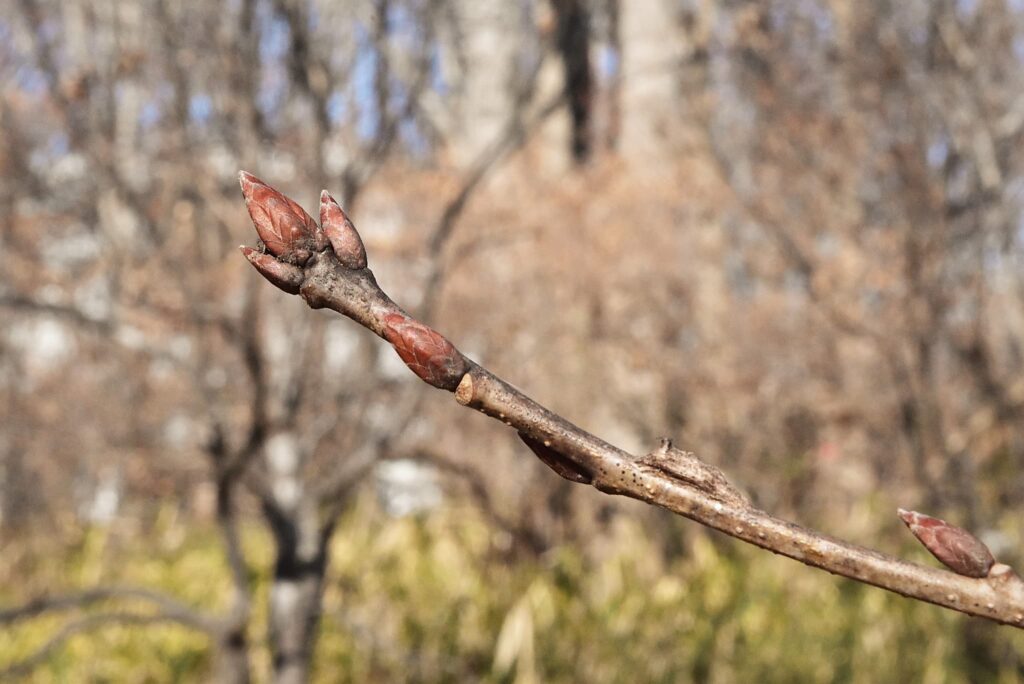
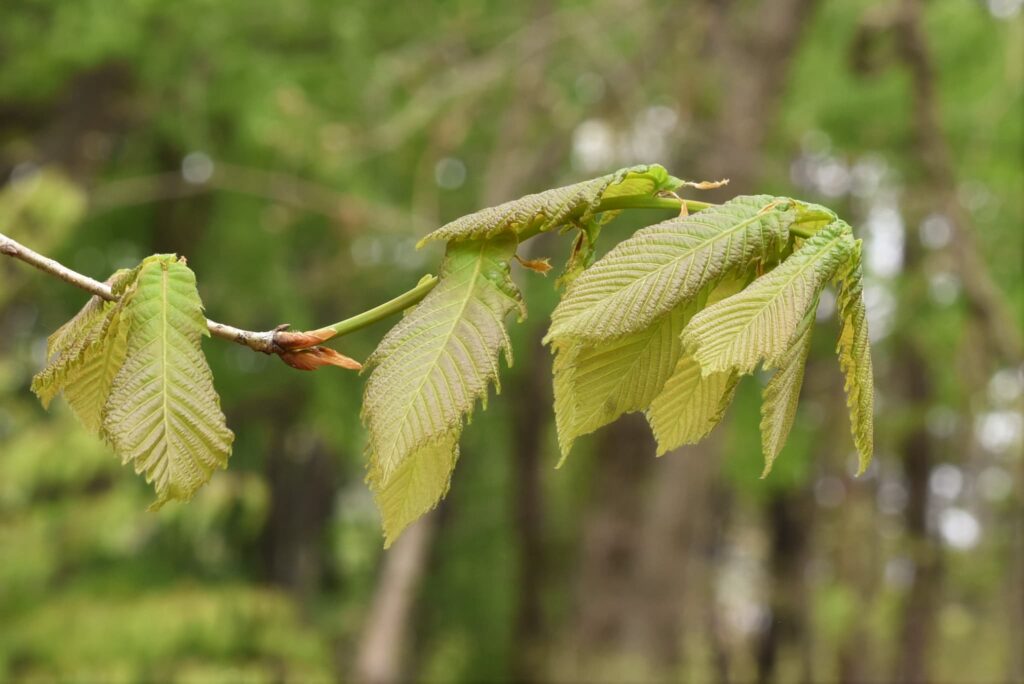
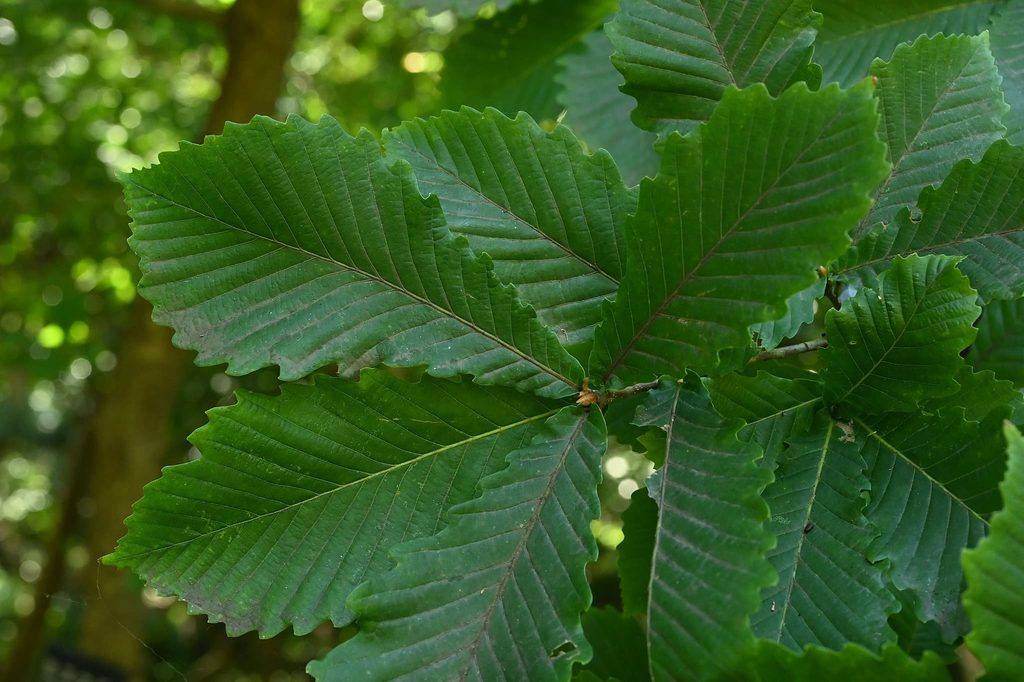
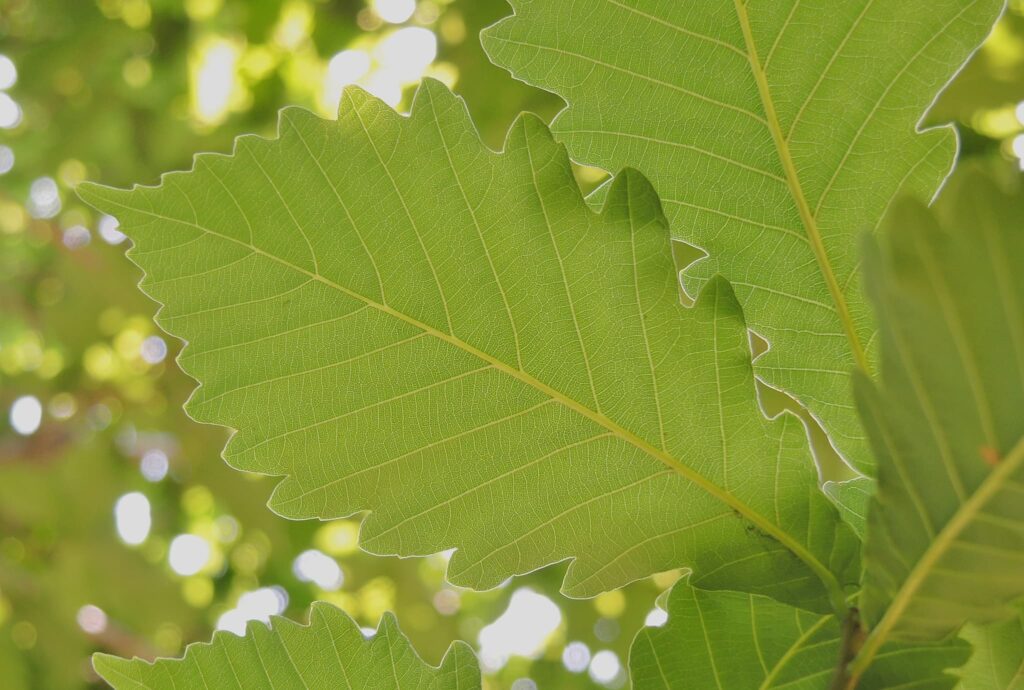
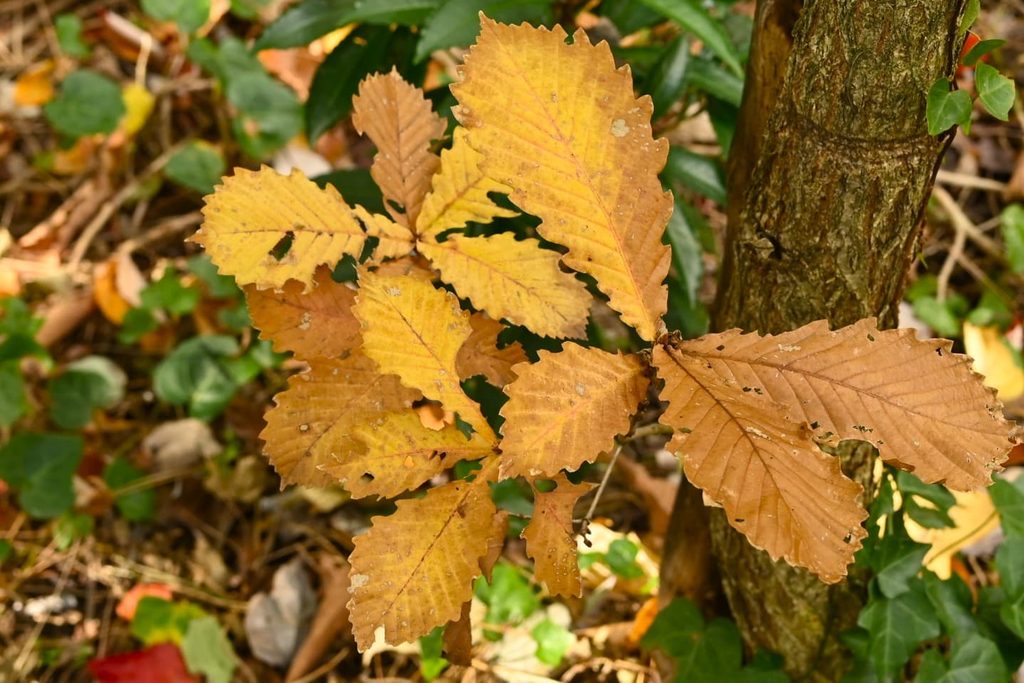
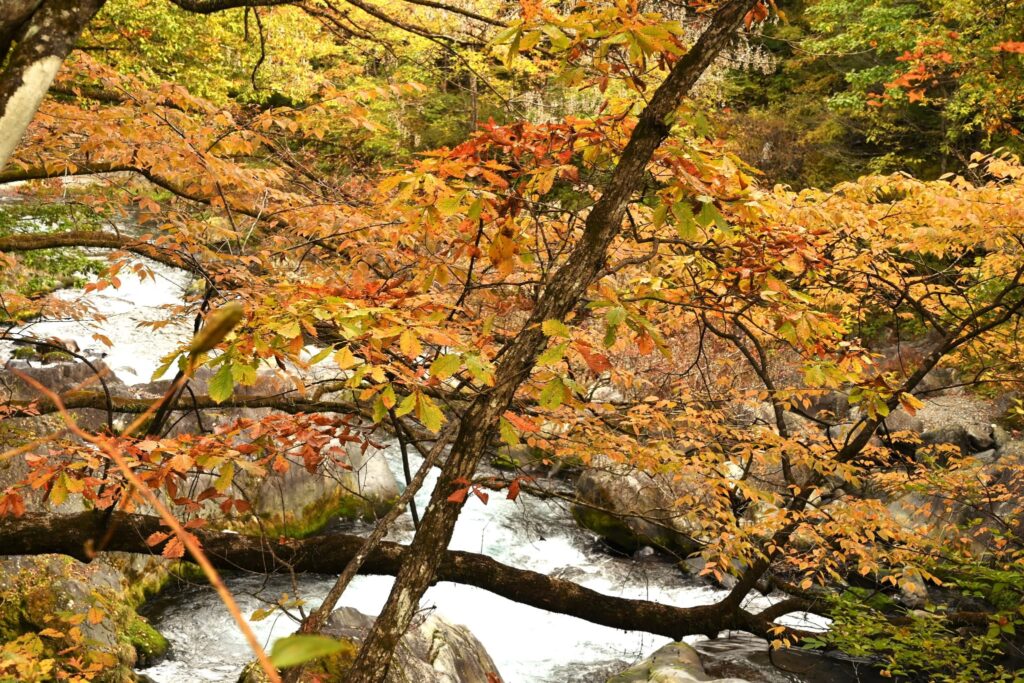
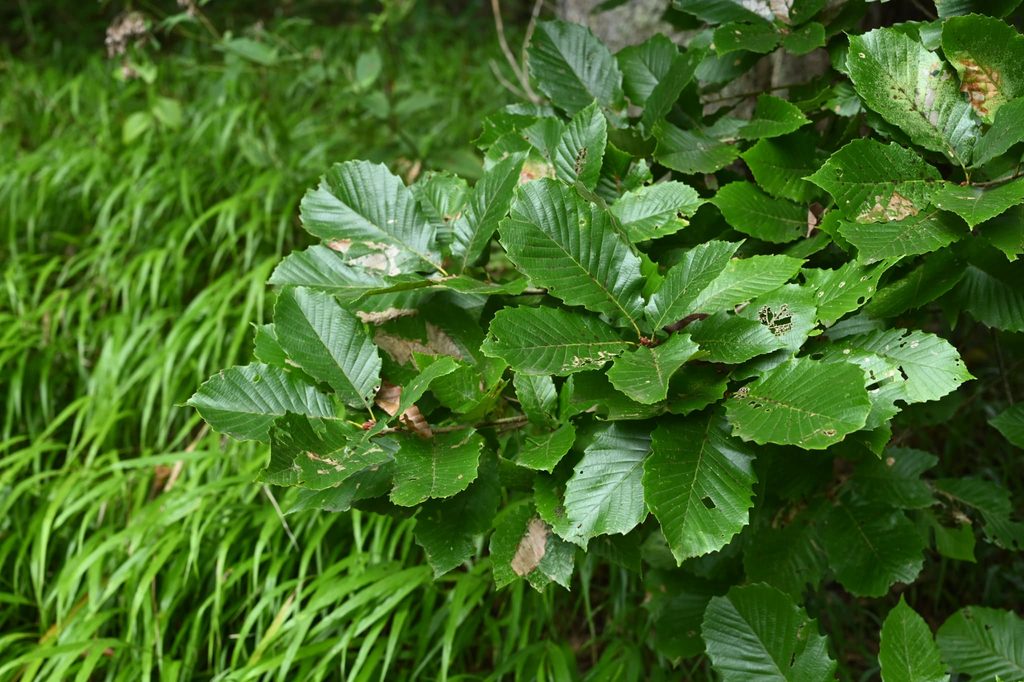
Leaves are 6–20 cm long and 5–10 cm wide, oval with a pointed tip, and wider toward the outer end of the leaf. As with Konara Oak, the leaf margins are toothed, but Mizunara’s teeth are noticeably coarser. In cooler regions, the foliage turns an attractive red or yellow in autumn; young trees more often show red color, while yellow tends to become more common as the tree matures. Both the leaves and bark can be used as a source of brown or black dye, typically using leaves gathered around September.
Flowers
Mizunara Oak flowers in May and June, around the same time its leaves emerge. The tree is monoecious, with male and female flowers appearing separately on the same tree. Male flowers form yellowish-brown, cord-like clusters roughly 5 cm long, while female flowers bloom in short spikes of three to four flowers each.
Acorns
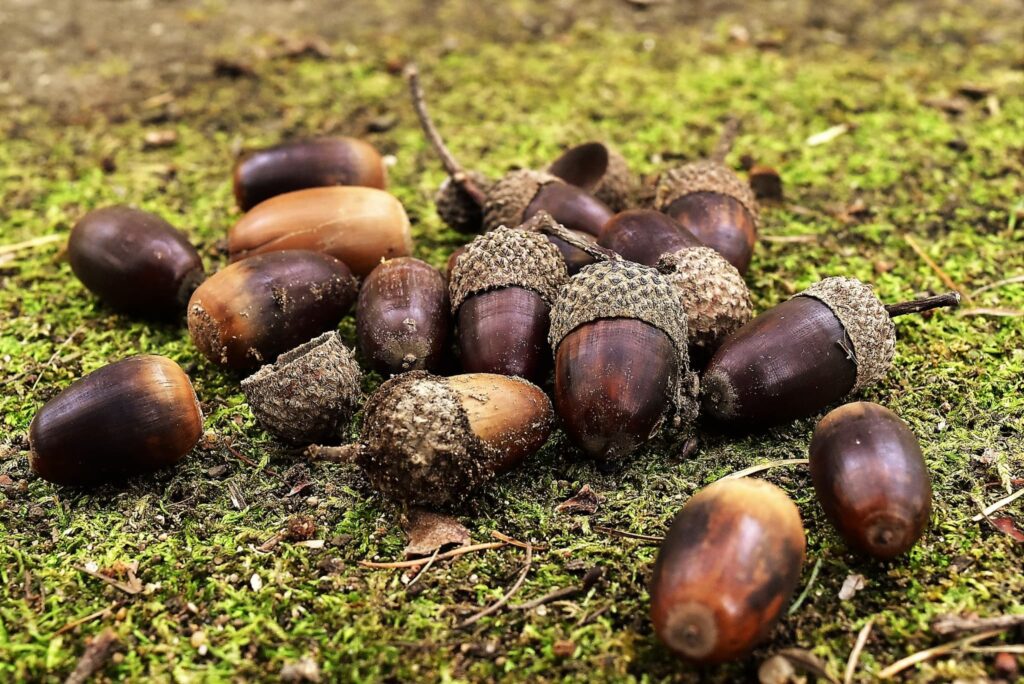
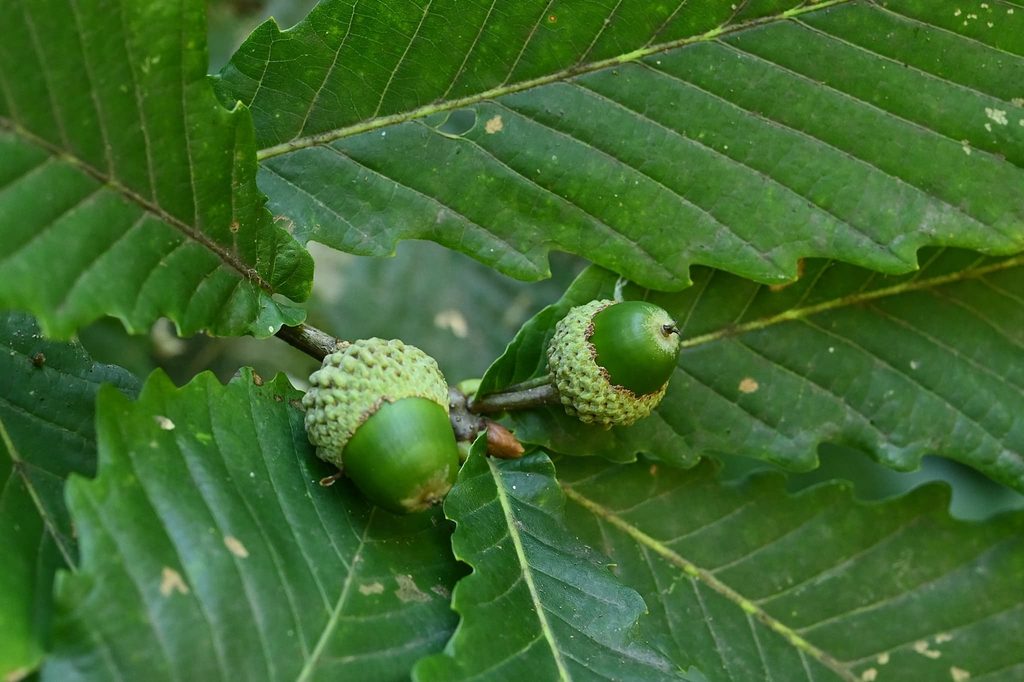
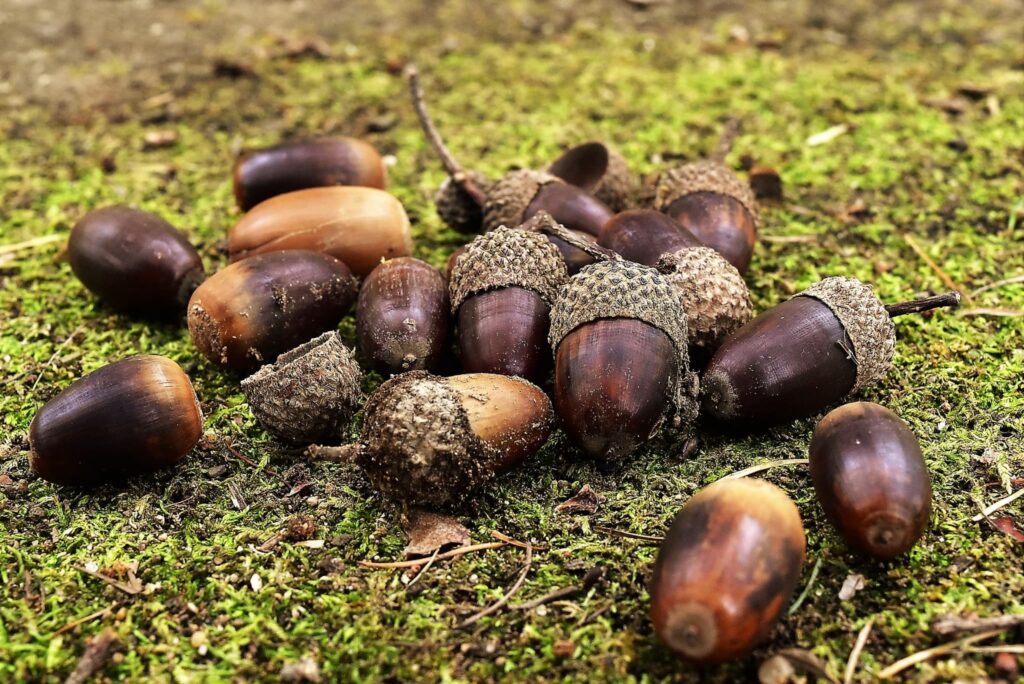
Acorns form in autumn, reaching about 3 cm in diameter—larger than those of Konara Oak. A distinctive scaly pattern covers the lower half of each acorn. The acorns are difficult to eat raw, but once ground into flour, they can be used as a filling in dumplings and mochi, and roasted acorns have also been used as a coffee substitute.
Trunk & Bark
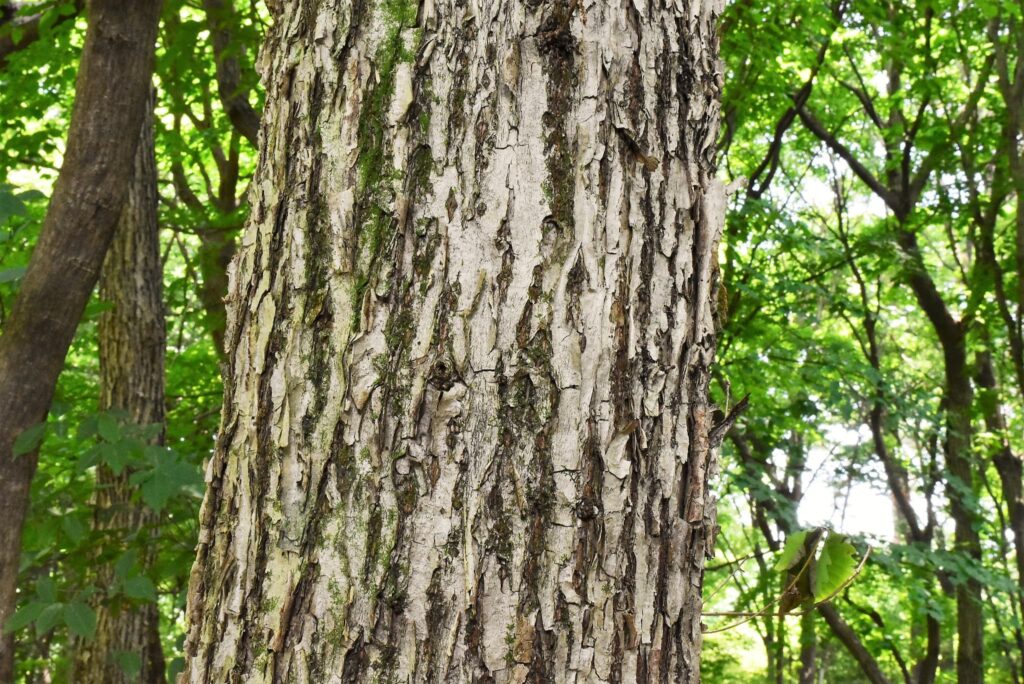
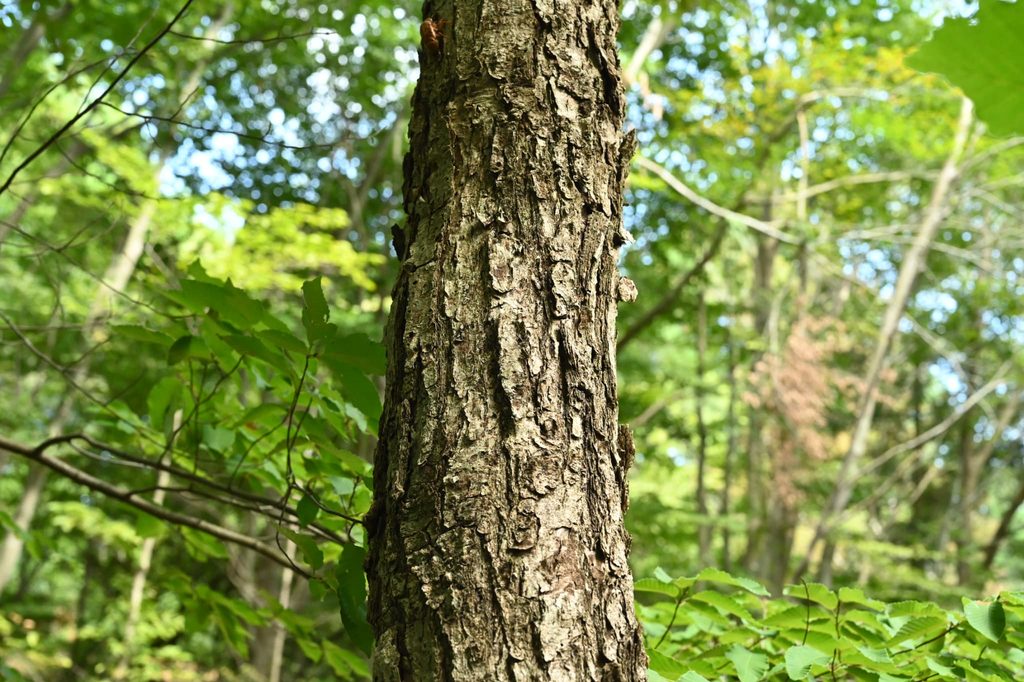
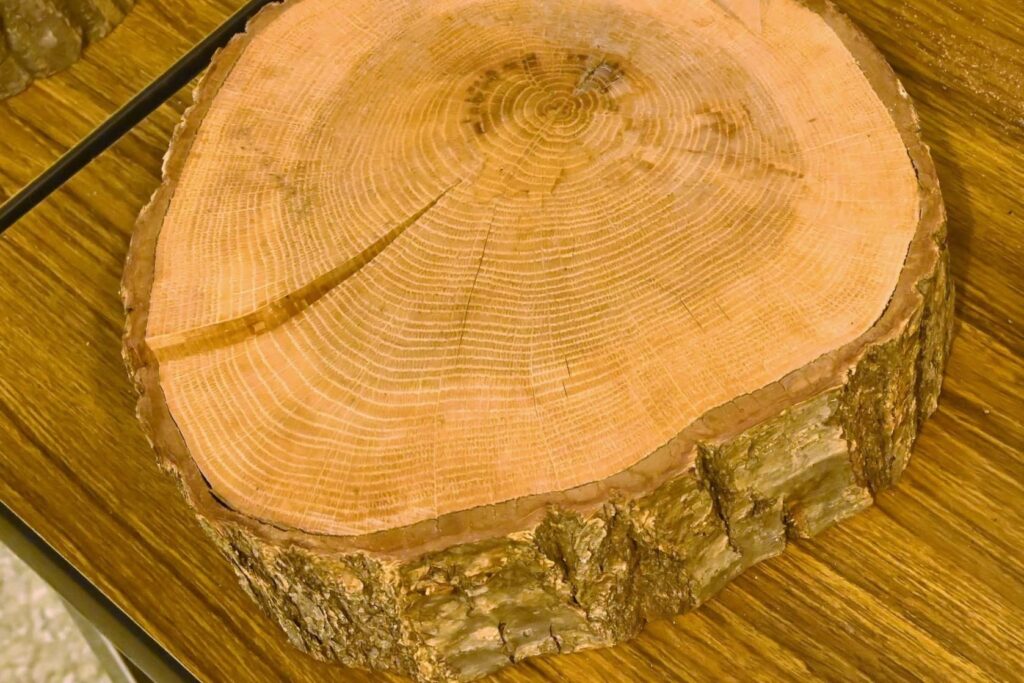
The trunk can reach up to about 1 m in diameter, and as the tree ages, its bark peels away in thin vertical strips. The wood develops attractive figure patterns known as tiger stripe (tora-fu) and silver grain (gin-moku), and its combination of durability and workability made it highly sought after—so much so that from the Meiji era through the early Showa era, Mizunara timber was exported abroad and became internationally known under names like “Otaru Oak” and “Japanese Oak.”
Historically, when the term “Nara wood” referred to Japanese timber, it most often meant Mizunara specifically. Today, however, Mizunara is rarely harvested for lumber in Japan, and “Nara wood” on the market usually refers to oak imported from Europe or China instead. Today, genuine Mizunara is used for premium flooring, fine furniture, musical instruments, whisky casks, and shiitake cultivation logs, where its durability and attractive grain are especially valued.
Naming: Mizunara, Oonara, and “The Nara Tree”
Mizunara Oak’s alternate name, Oonara (“large Nara”), reflects its greater height and larger leaves compared with Konara Oak (“small Nara”). Oonara and Mizunara were once thought to be separate species, but are now treated as the same tree. As with Konara Oak, there is no single tree simply called “the Nara tree”—the term refers collectively to Mizunara, Konara, and their close relatives.
Growing Guide
| Item | Description |
|---|
| Growth Rate | Fast |
| Longevity | 200–500 years |
| Salt Tolerance | Poor |
| Drought Tolerance | Moderate |
| Urban Tolerance | Moderate |
Climate & Soil
Mizunara Oak grows wild in cool mountain regions and prefers fertile soil, but it is adaptable and can be grown with relatively little maintenance. In the wild, it’s often found alongside Japanese Beech, though in cultivation it tends to be easier to grow in a garden setting than beech.
Sun & Drainage
The tree generally prefers a site with good sun and good drainage. Sunlight is especially important if you want to enjoy a good display of yellow autumn color.
Pruning
Mizunara Oak grows quickly and becomes a large tree, so regular pruning is necessary if it’s being grown in a confined space. The best time to prune is any season except the depths of winter or the height of summer. The tree’s natural form is not especially easy to shape through pruning.
Pests
Mizunara Oak is frequently affected by the caterpillars of several moth species, including the gypsy moth, the eastern lappet moth, and the sharp-lined prominent moth, so regular monitoring and removal or treatment is recommended.
Mizunara-Oak-Quercus-crispula Mizunara Oak is frequently affected by moth caterpillars feeding on its leaves.
Konara Oak vs. Mizunara Oak
The two species can be distinguished by the presence or absence of a leaf stalk (petiole) connecting leaf to branch. Konara Oak has a visible petiole about 1 cm long, while Mizunara’s petiole is barely visible at all.
Cultivars & Related Forms
- Mongolian Oak (Quercus mongolica var. crispula, also called Fumoto-mizunara) — considered either a hybrid between Kashiwa (Daimyo Oak) and Mizunara, or a variety of Mizunara itself. Distinguished by hairless leaf undersides and an indented tip on the acorn.
- Miyama Nara — a dwarfed variant of Mizunara, found in heavy-snowfall environments along mountain ridges and slopes at higher elevations.
Similar Plants
- Konara Oak (Quercus serrata)
- Sawtooth Oak (Quercus acutissima)
- Japanese Beech (Fagus crenata) — often found growing in similar cool mountain habitats.
Frequently Asked Questions
Q: Why is Mizunara famous for whisky?
Mizunara contains aromatic compounds that can impart notes of sandalwood, coconut, incense, and oriental spices during long maturation. Because the wood is porous and difficult to work with, genuine Mizunara casks are rare and highly valued in the whisky industry.
Q: Why is Mizunara used for whisky casks?
Mizunara Oak is prized for whisky casks because its wood imparts distinctive aromas during long maturation. Whisky aged in Mizunara barrels often develops notes described as sandalwood, coconut, incense, and oriental spices. Although the wood is more porous and difficult to work with than European or American oak, these unique flavors have made Mizunara casks highly sought after by whisky producers around the world.
Q: Why are Mizunara barrels so expensive?
Mizunara barrels are expensive because the wood is difficult to season and cooper. Its high moisture content and porous structure make it more likely to warp or leak than other oaks, requiring exceptional craftsmanship to produce durable casks. In addition, mature Mizunara trees suitable for cooperage are relatively scarce, further increasing their value.
Q: Which distilleries use Mizunara?
Several Japanese whisky producers, including Suntory, Nikka, and Chichibu, are well known for maturing some of their whiskies in Mizunara casks. A growing number of distilleries outside Japan have also begun experimenting with Mizunara to create distinctive flavor profiles, although genuine Mizunara barrels remain relatively rare.
Q: Why does whisky age differently in Mizunara?
Mizunara Oak has a unique chemical composition and a more porous wood structure than most other oaks. During long maturation, these characteristics allow the whisky to extract distinctive aromatic compounds while interacting with oxygen in a different way. As a result, whiskies aged in Mizunara often develop a complex, elegant character that differs noticeably from those matured in American or European oak.
Q: Why is Mizunara wood so highly valued?
Its wood develops distinctive figured grain patterns known as tiger stripe and silver grain, and combines durability with good workability—qualities that made it internationally sought after under names like “Japanese Oak” from the Meiji era through the early Showa era. Genuine Mizunara timber remains prized today, though it’s now harvested only rarely in Japan itself.
Q: What does “Nara wood” mean in Japan today?
Historically, “Nara wood” often referred specifically to Mizunara. In modern Japan, however, Mizunara is rarely logged for lumber, so timber sold under the name “Nara wood” is now usually imported oak from Europe or China rather than the Japanese species itself.
Q: How can I tell Mizunara apart from Konara Oak?
Check the leaf stalk connecting the leaf to the branch. Konara Oak has a clearly visible stalk about 1 cm long, while Mizunara’s is so short it’s barely visible, making the leaf appear to grow directly from the branch. Mizunara’s leaves are also considerably larger, with coarser marginal teeth.
Q: Is Mizunara a good choice for a home garden?
It can be, but it grows quickly into a large tree, so it needs either a spacious site or a commitment to regular pruning if space is limited. It’s also more commonly valued for its timber than planted purely as an ornamental, though where a wild specimen is already present on a property, it’s sometimes incorporated into the surrounding landscape rather than removed.
Q: What pests commonly affect Mizunara?
Several moth species are frequent visitors, including the gypsy moth, the eastern lappet moth, and the sharp-lined prominent moth, all of which feed on the foliage as caterpillars. Regular inspection and prompt removal or treatment is the best way to keep infestations from becoming severe.
Conclusion
Few Japanese hardwoods have achieved the international reputation of Mizunara Oak, whose figured grain once carried the name “Japanese Oak” to markets around the world. Though large-scale logging of the species has since declined within Japan, Mizunara remains a defining tree of the country’s cooler mountain forests—valued historically for timber, and increasingly appreciated today wherever a wild specimen finds its way into the landscape of a garden. Today, Mizunara remains one of the world’s most distinctive oak species, valued not only for its timber but also for the unique character it brings to Japanese whisky.