Japanese Bigleaf Magnolia / Hoonoki (Magnolia obovata): Identification, Care & Uses
Introduction
The Japanese bigleaf magnolia, known in Japan as hoonoki, is a large deciduous tree prized for its exceptionally large leaves and fragrant white flowers. It is native to Japan and the southern Kuril Islands, growing mainly in temperate forests and mountain valleys. In Japan, it occurs from Hokkaido through Honshu, Shikoku, and Kyushu.
The information and photographs in this article are based primarily on observations of the species as grown in Japan.
What Is the Japanese Bigleaf Magnolia (Hoonoki)?
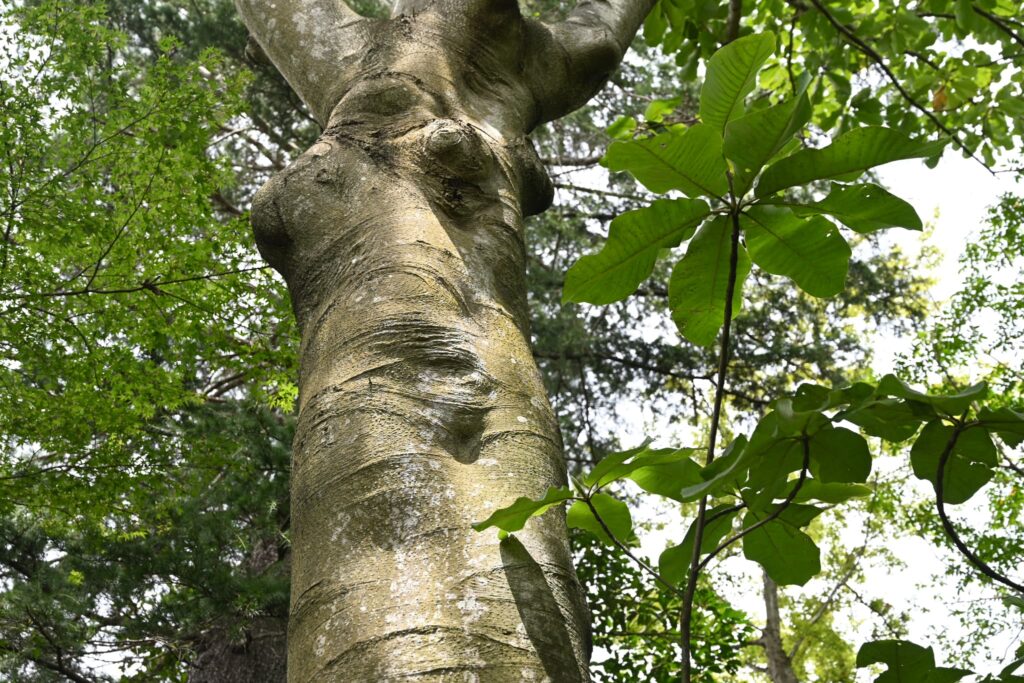
Hoonoki is a member of the magnolia family (Magnoliaceae) and is one of Japan’s most distinctive large-leaved native trees. It can reach 15–30 m in height, with old trees developing very large trunks. Its upright trunk, broad leaves, fragrant flowers, and attractive natural form make it suitable for parks and other spacious landscapes, but its eventual size makes it unsuitable for most small gardens.
Overview
| Category | Details |
|---|---|
| Scientific Name | Magnolia obovata Thunb. |
| Synonym | Magnolia hypoleuca |
| Common Name | Japanese Bigleaf Magnolia, Japanese Whitebark Magnolia |
| Japanese Name | ホオノキ (Hoonoki), also ホオガシワ (Hoogashiwa) |
| Family | Magnoliaceae (Magnolia family) |
| Native Range | Japan and the southern Kuril Islands |
| Plant Type | Deciduous broadleaf tree |
| Height | Typically 15–30 m |
| Trunk | Can approach 1 m in diameter on old trees |
| Flowering Season | May to June |
| Fruit Type | Aggregate of follicles |
| USDA Zones | Approximately 5–7 |
| Sun Exposure | Full sun to part shade |
The scientific name Magnolia obovata is currently accepted by the Royal Botanic Gardens, Kew; Magnolia hypoleuca is a widely encountered synonym.
Characteristics
| Feature | Details |
|---|---|
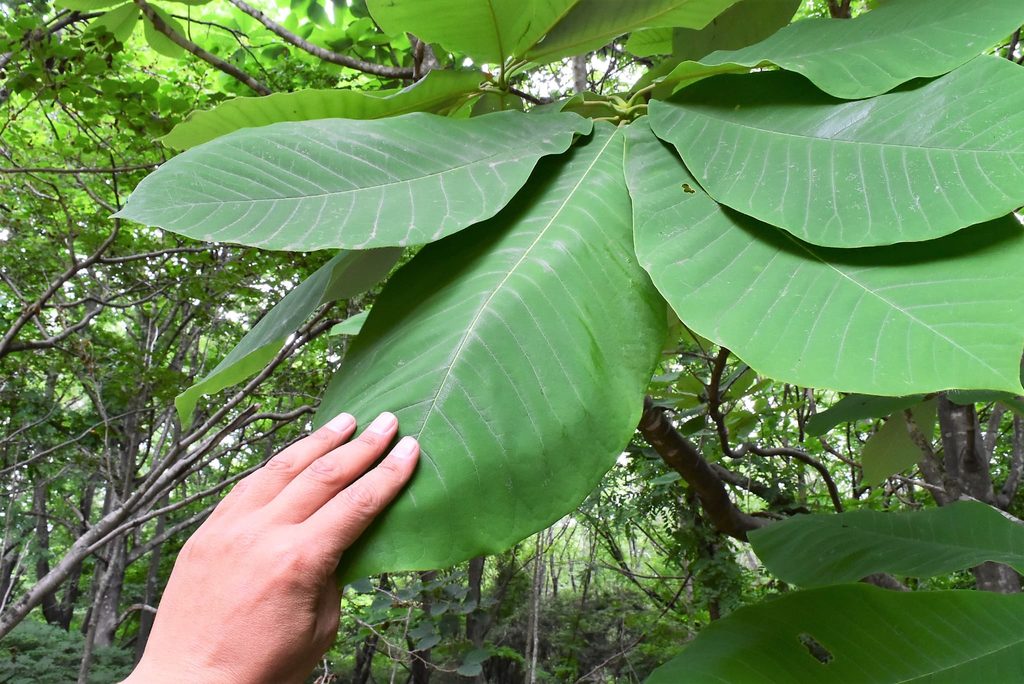
| Leaf Size | Usually about 20–40 cm long, sometimes approaching 50 cm |
| Flower Size | About 14–20 cm across |
| Fruit Size | About 12–20 cm long |
| Bark | Smooth to slightly rough, gray to grayish-brown |
Foliage
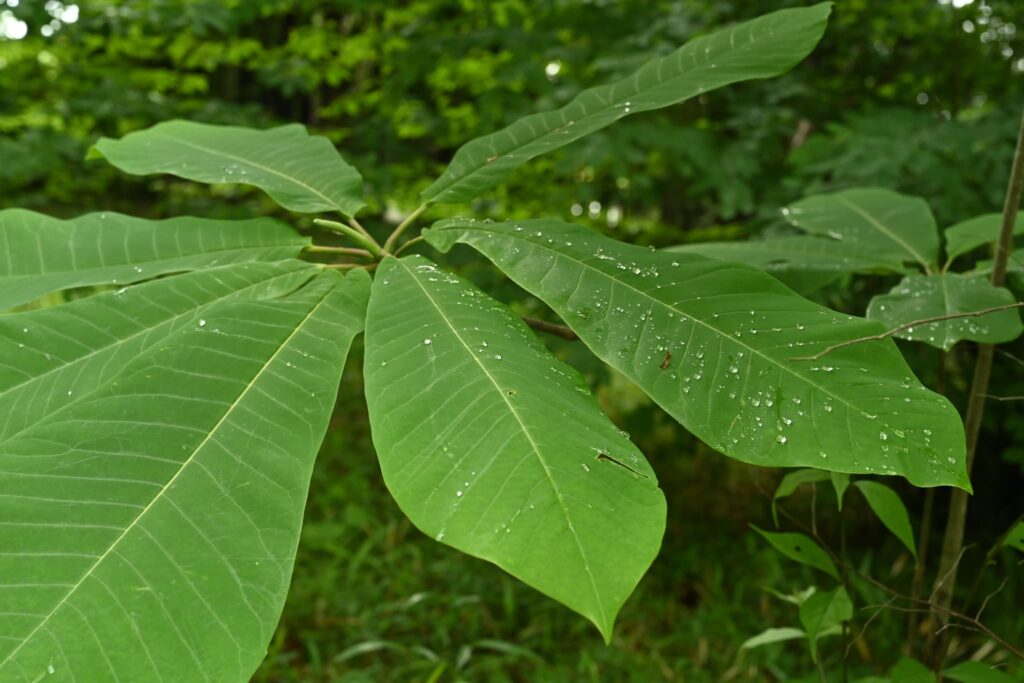
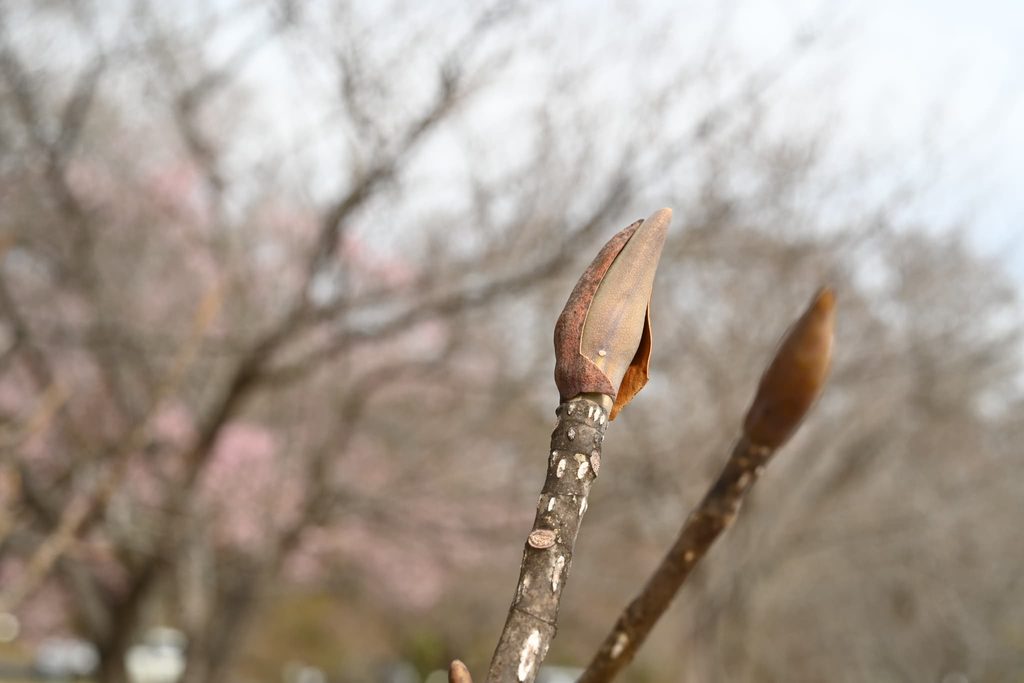
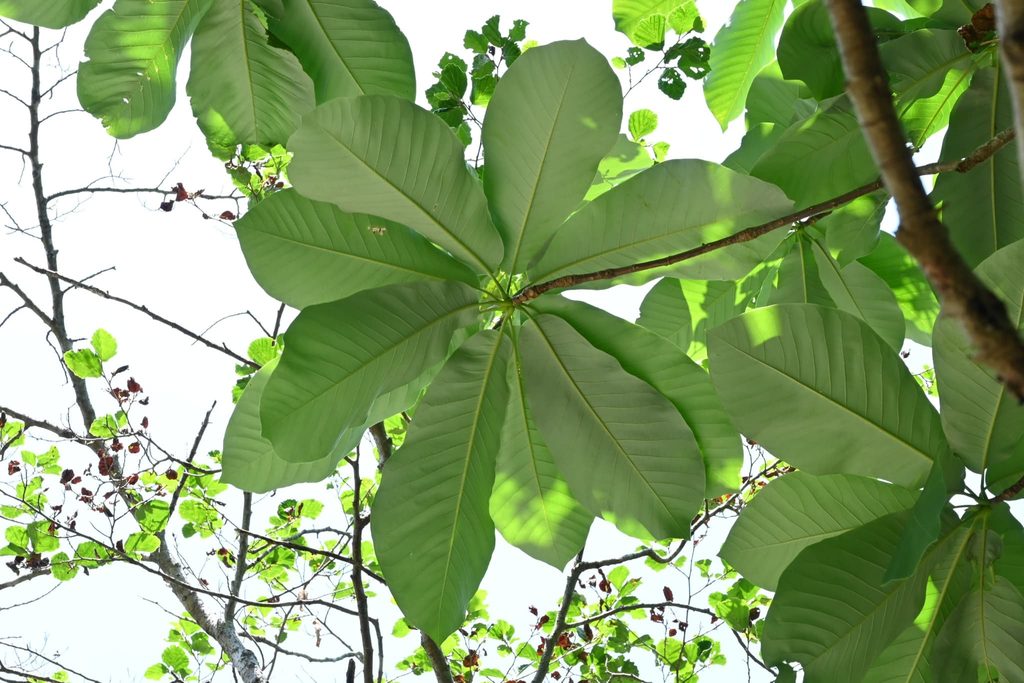
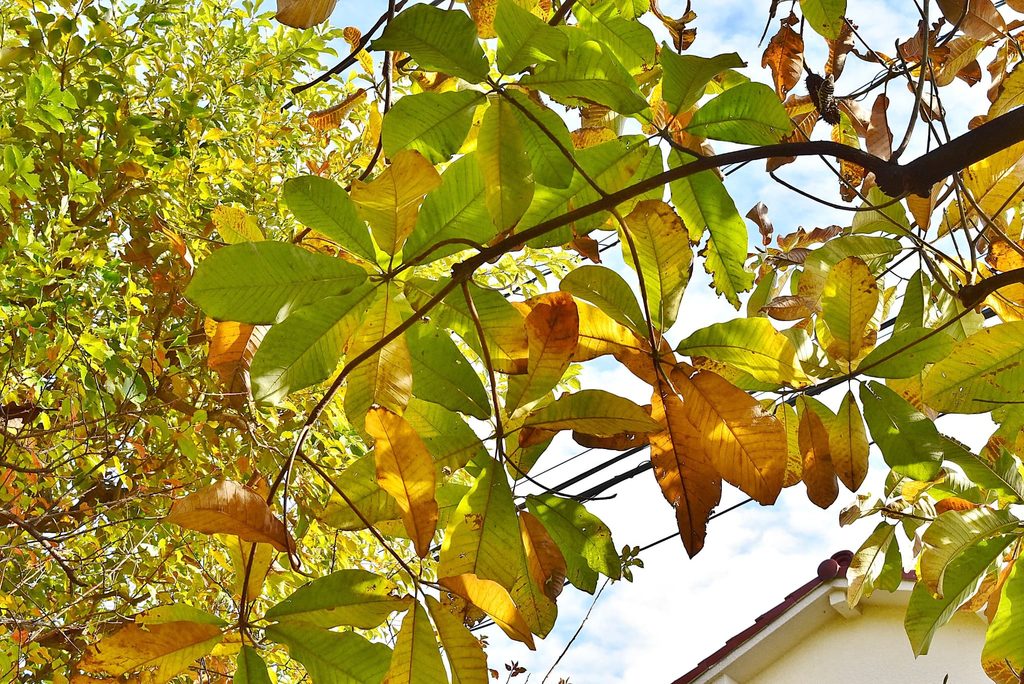
The large leaves are clustered near the ends of the branches, giving the crown a distinctive umbrella-like appearance. They are green above and noticeably pale or whitish beneath. The leaf margin is entire rather than toothed.
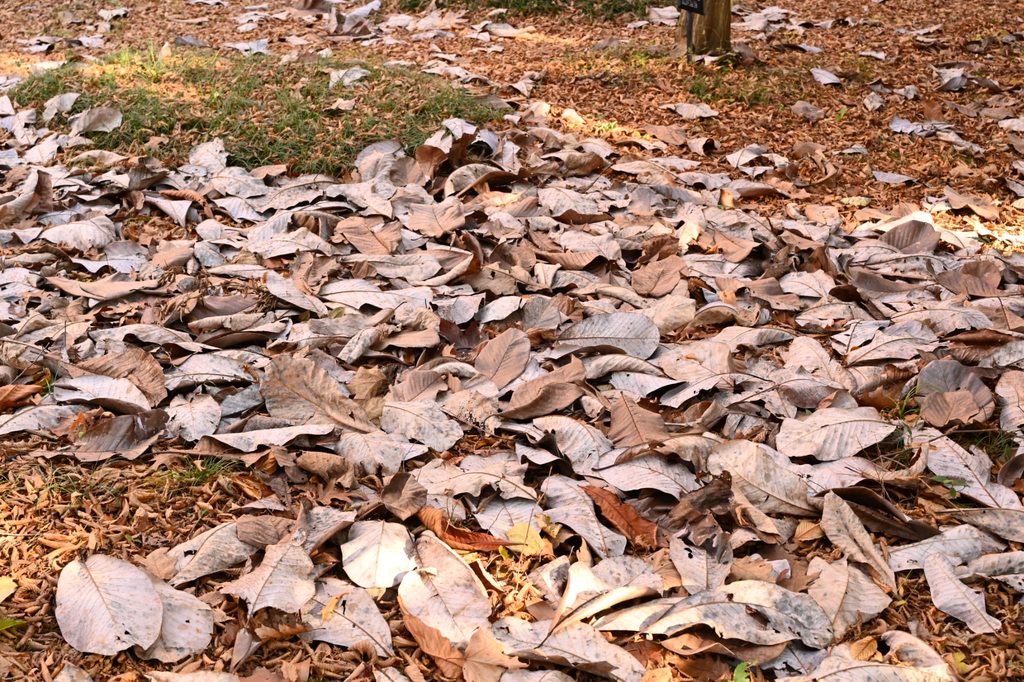
Hoonoki leaves can resemble those of the Japanese horse chestnut (Aesculus turbinata) at first glance. The difference becomes especially obvious in autumn: hoonoki leaves fall individually, whereas the leaflets of the horse chestnut remain attached as a palmate compound leaf.
The leaves, known as hooba in Japanese, have traditionally been used to wrap and serve food. They remain an important part of regional Japanese food culture, particularly in dishes such as hoba miso and hoba sushi.
Flowers
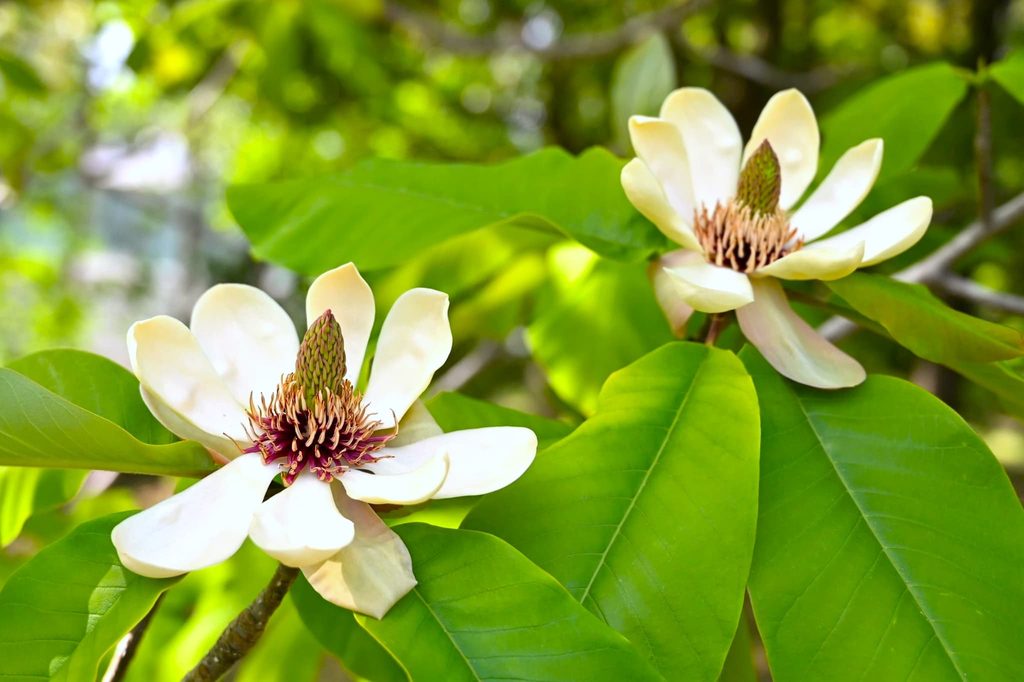
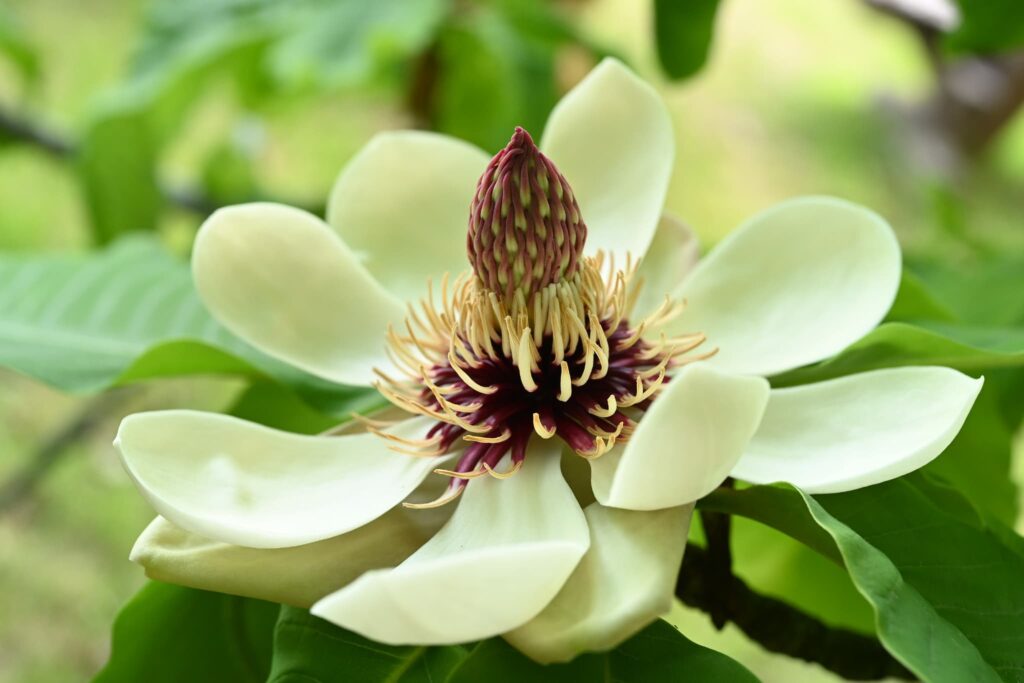
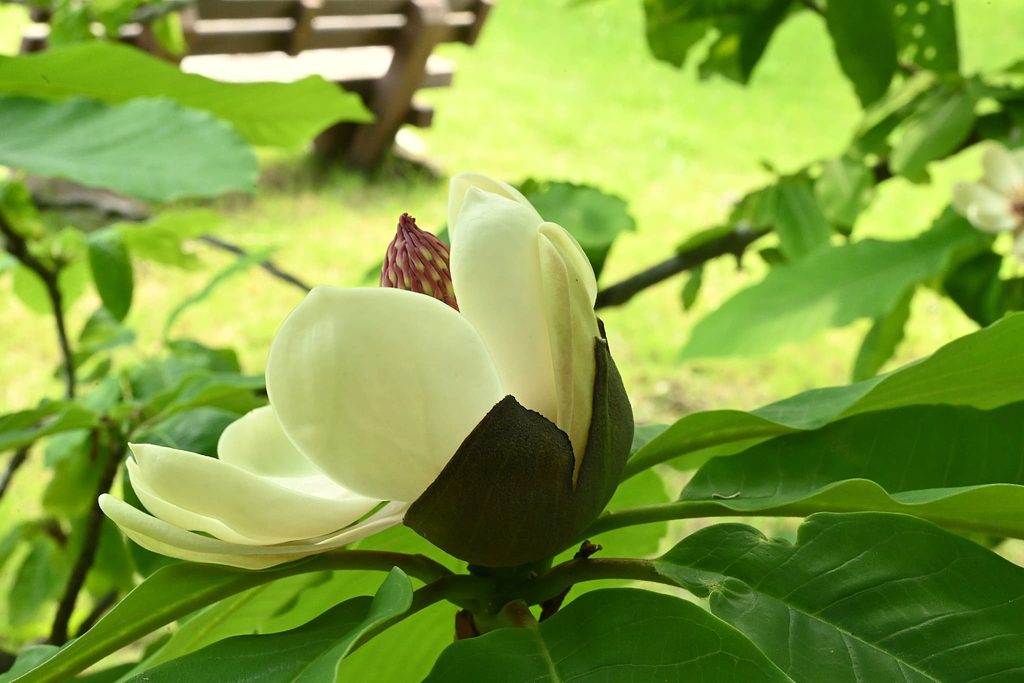
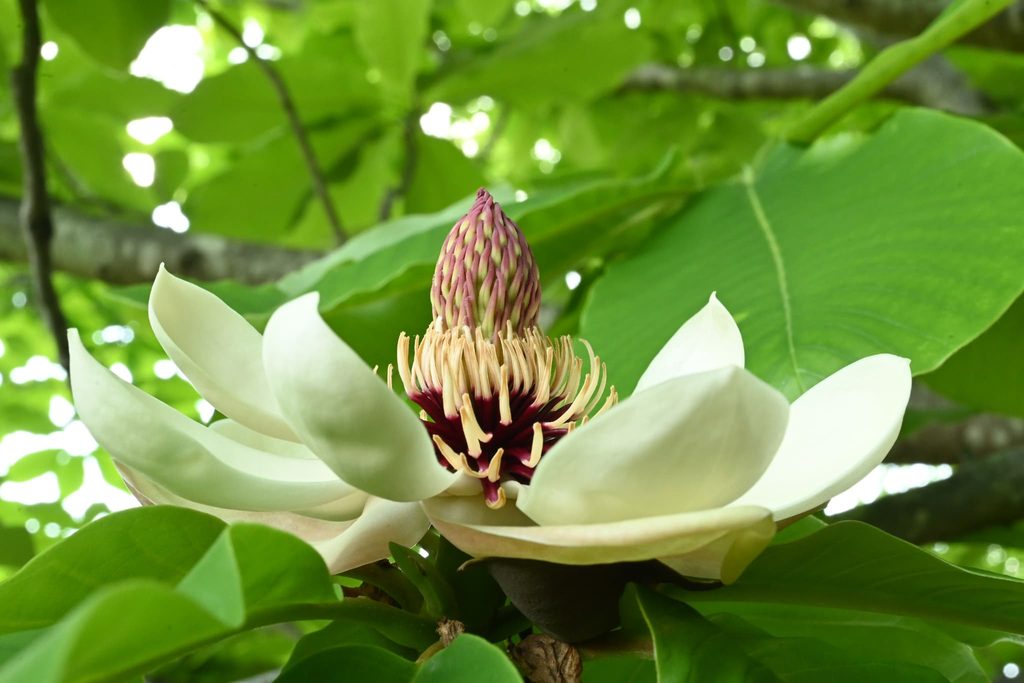
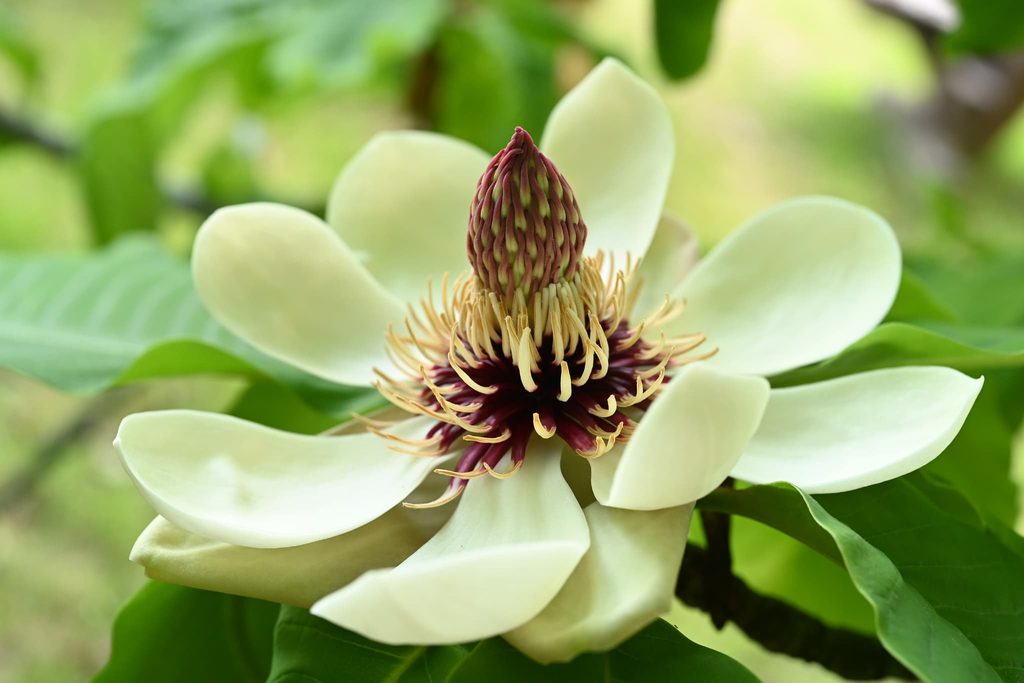
Hoonoki flowers in May and June, after the leaves have expanded. The large, cup-shaped flowers are generally about 14–20 cm across and have white to creamy-white tepals with conspicuous stamens.
The flowers are strongly fragrant, and the combination of huge leaves and large, fragrant flowers makes the tree particularly striking when in bloom. Compared with the evergreen southern magnolia (Magnolia grandiflora), Hoonoki has smaller flowers and thinner, deciduous leaves.
Fruits
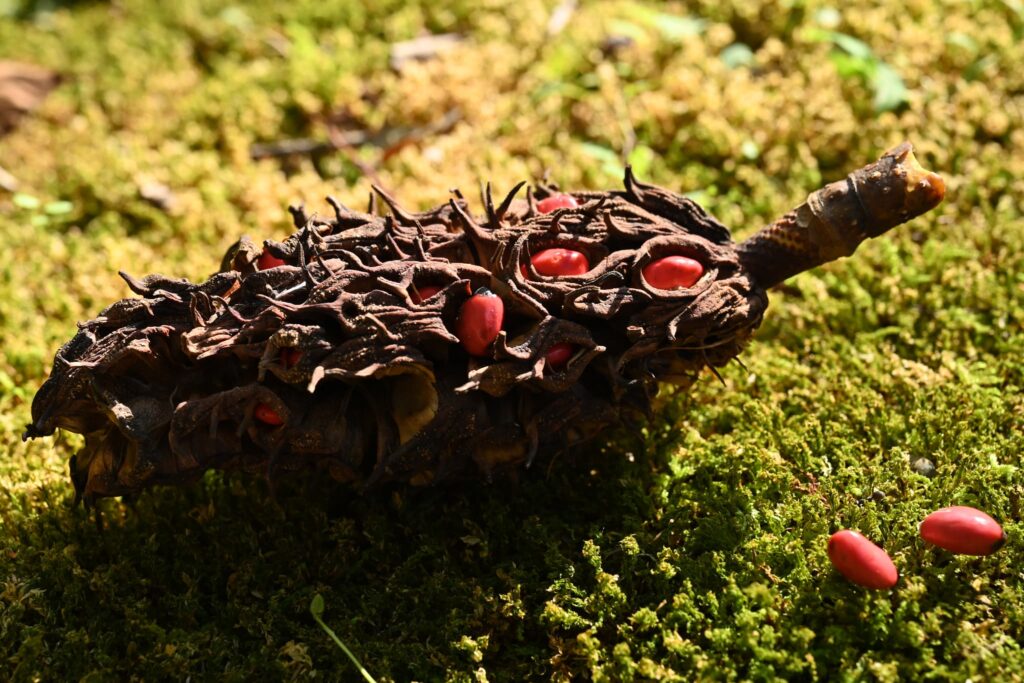
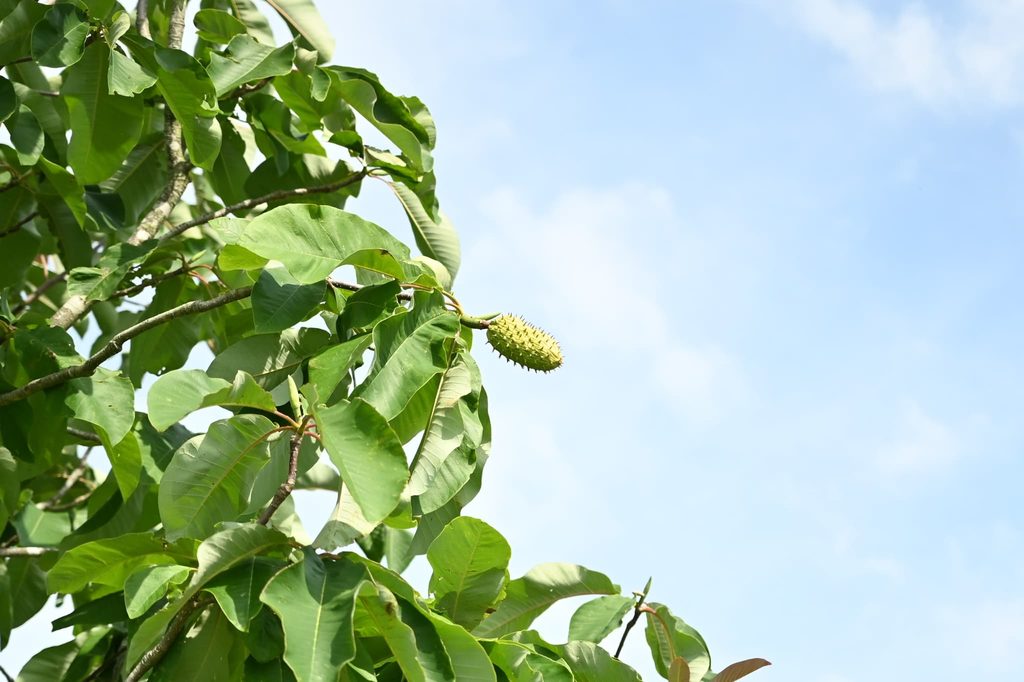
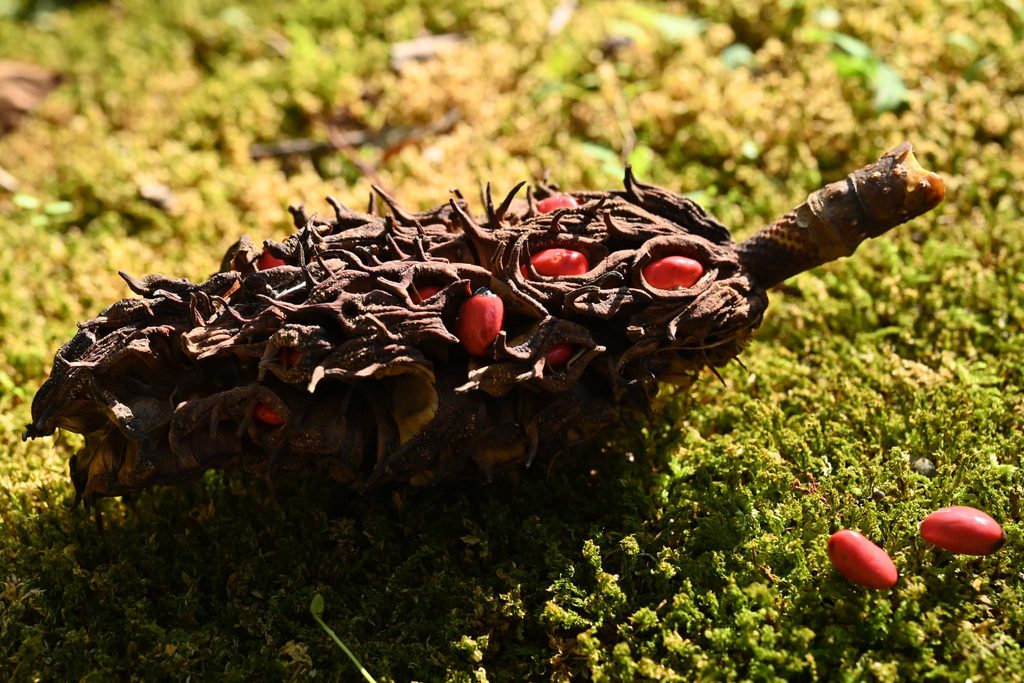
The fruit is an elongated aggregate of follicles, typically about 12–20 cm long. It turns red or reddish-purple as it matures and eventually opens to reveal seeds suspended from thin threads.
The brightly colored seeds are attractive to birds and contribute to the tree’s ornamental interest in autumn.
Bark & Timber
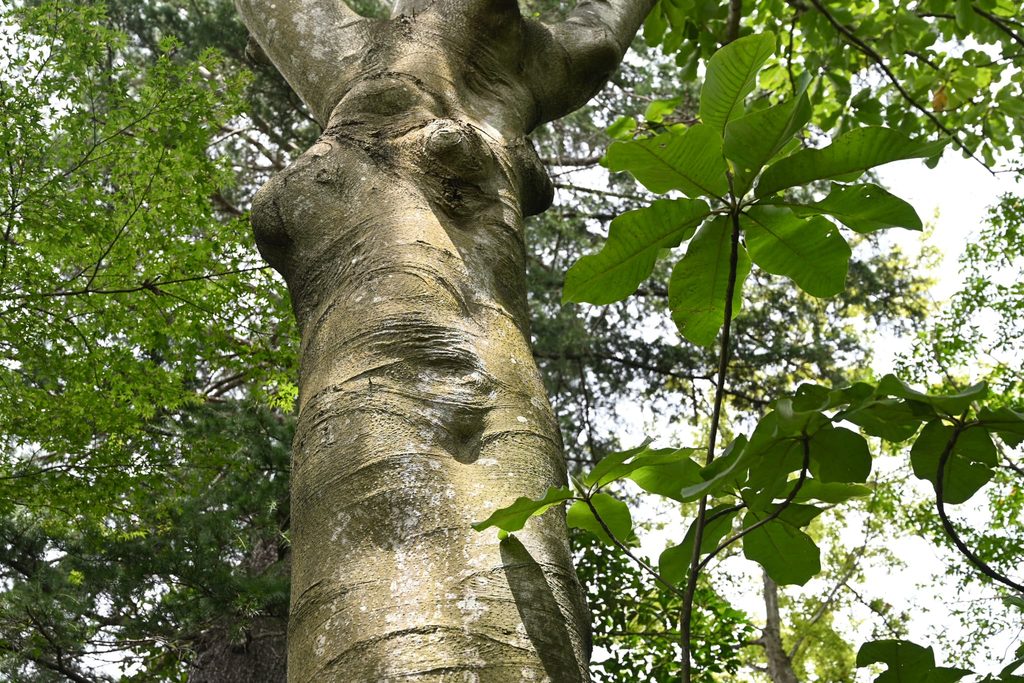
The trunk usually grows straight, with gray to grayish-brown bark. Older bark develops scattered lenticels but generally remains relatively smooth compared with many other large Japanese trees.
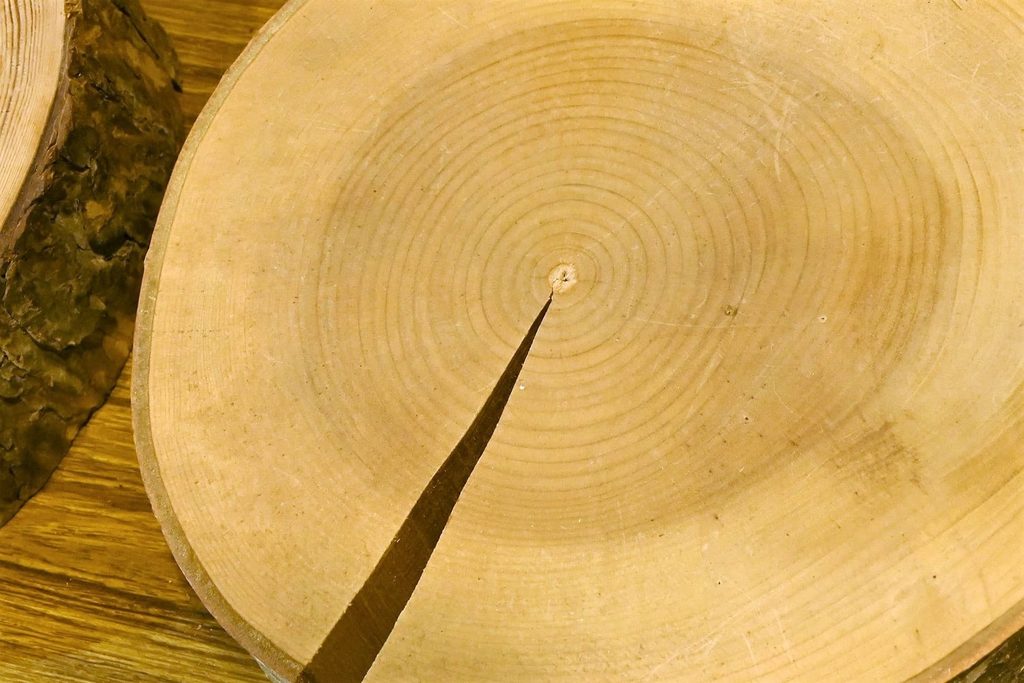
Hoonoki wood is light, relatively soft, uniform in texture, and easy to work. It has traditionally been used for woodblocks, carving, furniture and fittings, drafting boards, utensils, musical instruments, sword scabbards, geta teeth, and other craft products. It is valued particularly where a stable, easily worked wood is needed.
Size & Growth
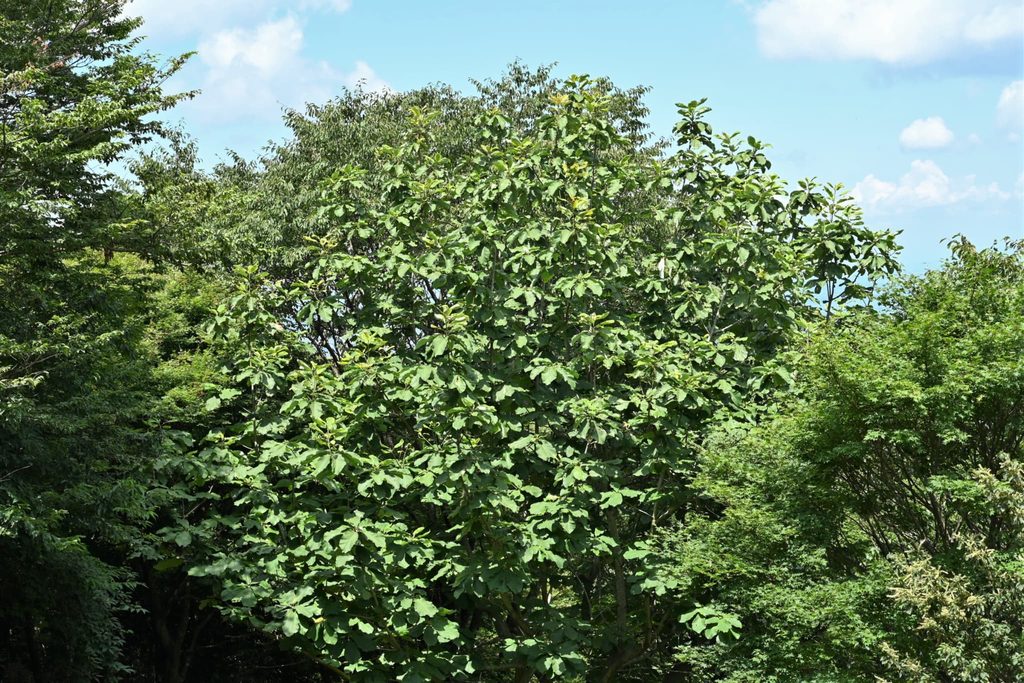
Hoonoki can become a substantial tree, commonly reaching 15–30 m in height in natural conditions. Its natural form is generally upright and well balanced, with a broad crown as the tree matures.
Because of its size and large leaves, it is best given plenty of space. It is more appropriate for parks, large gardens, woodland margins, and other open landscapes than for small residential lots.
Uses & Cultural Significance
Hoonoki has an unusually strong connection with Japanese food culture. Its large, aromatic leaves have traditionally been used as natural wrappers and serving surfaces. Well-known regional foods include hoba miso, hoba sushi, hoba mochi, and hoba-maki.
The wood is also an important traditional material because it is light, fine-textured, relatively stable, and easy to cut and carve. It has been used for everything from woodblocks and carving to furniture, utensils, musical instruments, and sword scabbards.
The bark of Magnolia obovata is also used in Japanese traditional medicine as wa-koboku (Japanese houpo). This should not be confused with Magnolia officinalis, the principal Chinese source of houpo.
Growing Guide
| Category | Details |
|---|---|
| Light | Full sun to part shade |
| Soil | Moist, slightly acidic to neutral, organically rich, well-drained soil |
| Water | Keep the soil consistently moist; avoid prolonged dryness or waterlogging |
| Wind | Protect from strong winds, which can tear the large leaves |
| Cold Hardiness | Generally hardy to about USDA Zone 5 |
| Pruning | Usually requires little pruning; avoid severe cutting |
| Suitability for Home Gardens | Poor fit for small gardens because of its eventual size |
| Pests | Generally low-maintenance, although occasional insect damage can occur |
Light & Soil
Hoonoki grows best in moist, fertile, well-drained soil. Slightly acidic to neutral soils are suitable. In cooler climates it can grow well in full sun, provided adequate moisture is available. In hot-summer climates, some afternoon shade can help reduce leaf scorch.
Wind & Water
The enormous leaves are easily torn by strong winds, so a sheltered planting site is preferable. Consistent soil moisture is also important, particularly during hot or dry periods. At the same time, the tree does not perform well in persistently waterlogged soil.
Cold Hardiness
Hoonoki is a relatively cold-hardy magnolia and can be grown in areas corresponding roughly to USDA Zone 5 and warmer. Its natural distribution includes northern Japan and the southern Kuril Islands.
Pruning
Hoonoki generally develops an attractive natural form without extensive pruning. Remove dead, damaged, or badly positioned branches when necessary, but avoid heavy reduction cuts that unnecessarily disturb the tree’s natural structure.
Suitability for Home Gardens
Hoonoki is rarely a good choice for a small residential garden. Its height, broad crown, enormous leaves, and eventual need for substantial growing space make it better suited to parks, large gardens, courtyards, and open woodland settings.
Related Plants
Southern Magnolia (Magnolia grandiflora)
The southern magnolia is another large-flowered magnolia, but it differs markedly from Hoonoki. It is evergreen and native to the southeastern United States, whereas Hoonoki is deciduous and native to Japan and the southern Kuril Islands.
Japanese Horse Chestnut (Aesculus turbinata)
The Japanese horse chestnut is unrelated to Magnolia but can be confused with Hoonoki because both have very large leaves clustered toward the ends of branches. Hoonoki has simple leaves, while horse chestnut has palmately compound leaves. Fallen leaves provide an especially easy way to distinguish them.
Bigleaf Magnolia (Magnolia macrophylla)
Despite the similar name, Bigleaf Magnolia normally refers to Magnolia macrophylla, a North American species. Hoonoki is more precisely called Japanese Bigleaf Magnolia in English. This distinction is useful when searching for or identifying the two trees.
Frequently Asked Questions
Is Hoonoki the same as Bigleaf Magnolia?
Not exactly. Hoonoki (Magnolia obovata) is commonly called Japanese Bigleaf Magnolia, while Bigleaf Magnolia by itself usually refers to the North American species Magnolia macrophylla.
Can Hoonoki be grown in a small home garden?
It is generally not recommended. The tree can become 15–30 m tall and develops a broad crown with very large leaves. It is better suited to spacious landscapes.
What is hoba miso?
Hoba miso is a regional Japanese dish, particularly associated with Hida-Takayama, in which miso and other ingredients are grilled on a dried Hoonoki leaf. The leaf functions as both a cooking surface and a source of aroma.
Conclusion
Hoonoki (Magnolia obovata) is one of Japan’s most distinctive large-leaved trees. Its huge leaves, fragrant white flowers, red autumn fruits, and valuable wood have given it both ornamental and practical importance.
Although its eventual size makes it unsuitable for most small gardens, Hoonoki is an impressive choice for parks and other spacious landscapes. Its long history as a food wrapper and timber tree also gives it a cultural importance that goes well beyond its appearance.