Trident Maple (Acer buergerianum): Identification, Care & Uses
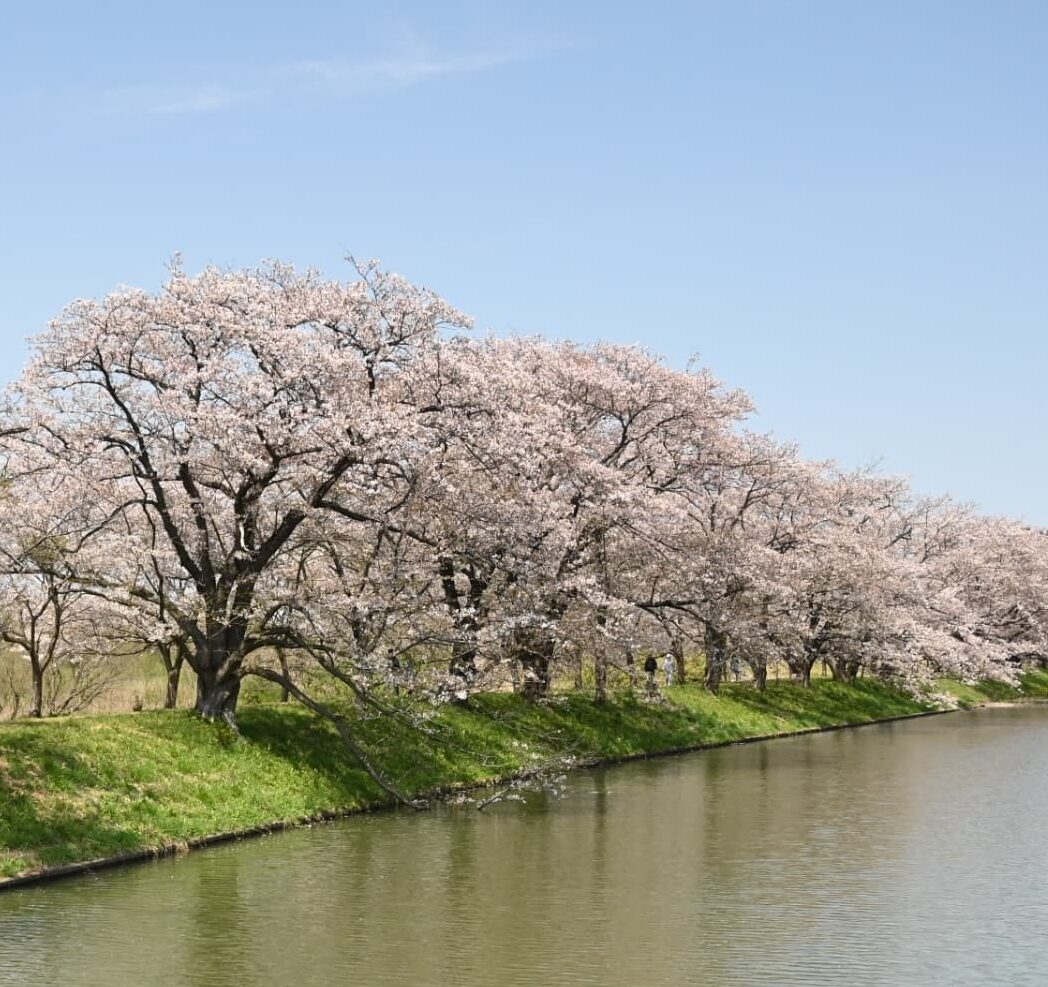
Trident Maple is a tough, adaptable deciduous tree native to China and Taiwan. It is widely planted as a street, park, and garden tree in Japan, where it is valued for its attractive spring foliage, autumn color, tolerance of urban conditions, and ability to withstand pruning. It is also an important bonsai species.
 Foliage
What Is the Trident Maple?
Trident Maple is a deciduous maple native to southern and eastern China and Taiwan. Its leaves are usually shallowly three-lobed, giving rise to the common names “Trident Maple” and the Japanese name Sankaku-kaede (“triangular maple”).
It is widely used in Japan as a street and park tree because it tolerates relatively dry, compacted, and polluted urban conditions. Its attractive new foliage and autumn color also make it useful in gardens and bonsai.
Overview
| Item | Description |
|---|---|
| Scientific Name | Acer buergerianum |
| Common Name | Trident Maple |
| Japanese Name | Tōkaede (トウカエデ), Sankaku-kaede |
| Family | Sapindaceae |
| Native Range | Southern and eastern China, Taiwan |
| Plant Type | Deciduous tree |
| Height | Usually 10–20 m (33–66 ft) in mature trees |
| Flowering Season | April–May |
| Fruit Type | Winged samara |
| USDA Zones | Approximately 5–9 |
| Sun Exposure | Full sun to partial shade |
Characteristics
| Feature | Description |
|---|---|
| Leaves | Usually shallowly three-lobed, but highly variable |
| Flowers | Small, yellowish to yellow-green flowers in terminal clusters |
| Fruit | Paired winged samaras |
| Bark | Smooth when young, becoming rough and peeling with age |
| Habit | Fast-growing, adaptable, and tolerant of urban conditions |
Foliage
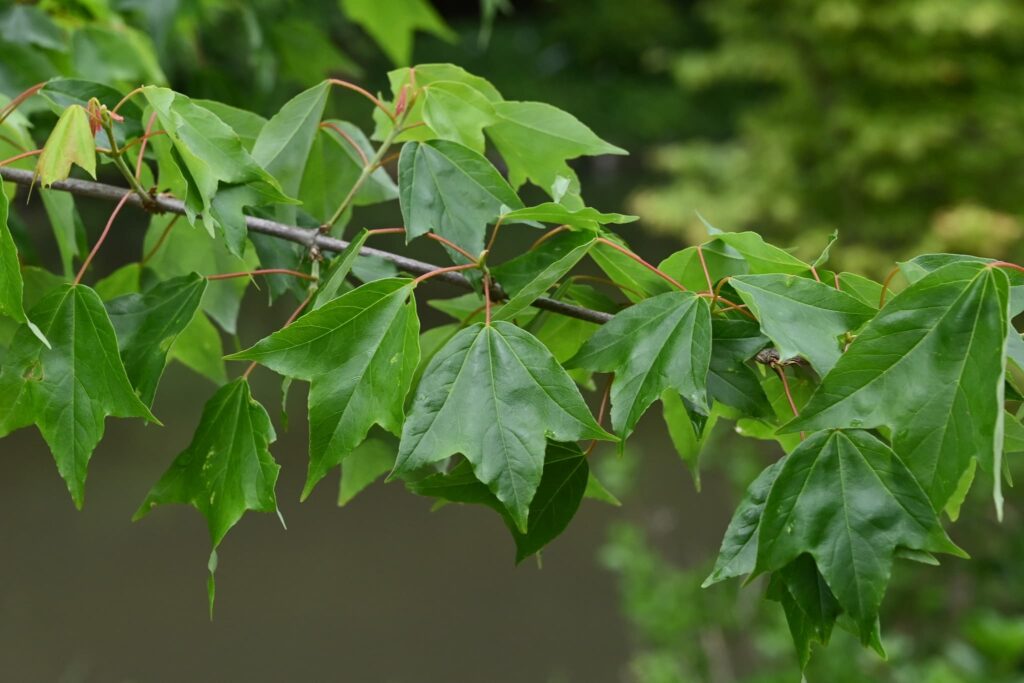
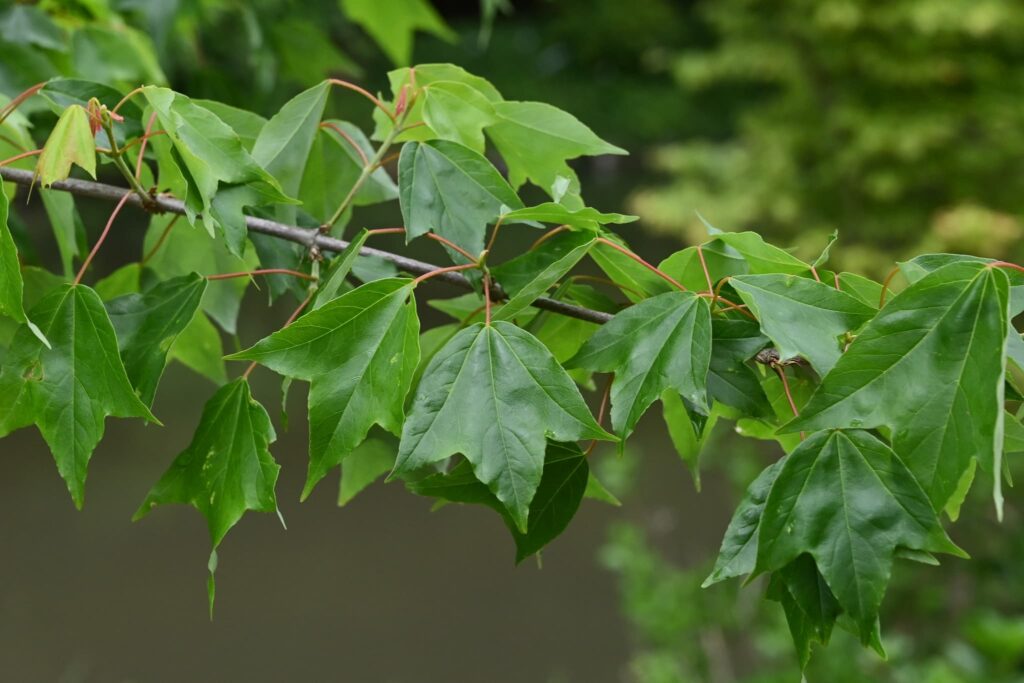
Trident Maple leaves are usually 6–10 cm long and shallowly divided into three lobes. The lobes may be more or less pronounced, and some leaves can be nearly unlobed. This variability is one of the easiest ways to distinguish Trident Maple from Japanese Maple, whose leaves are normally much more deeply divided.
The upper surface is glossy, while the underside is paler and may have a slightly bluish or whitish cast. Young leaves and shoots can be finely hairy.
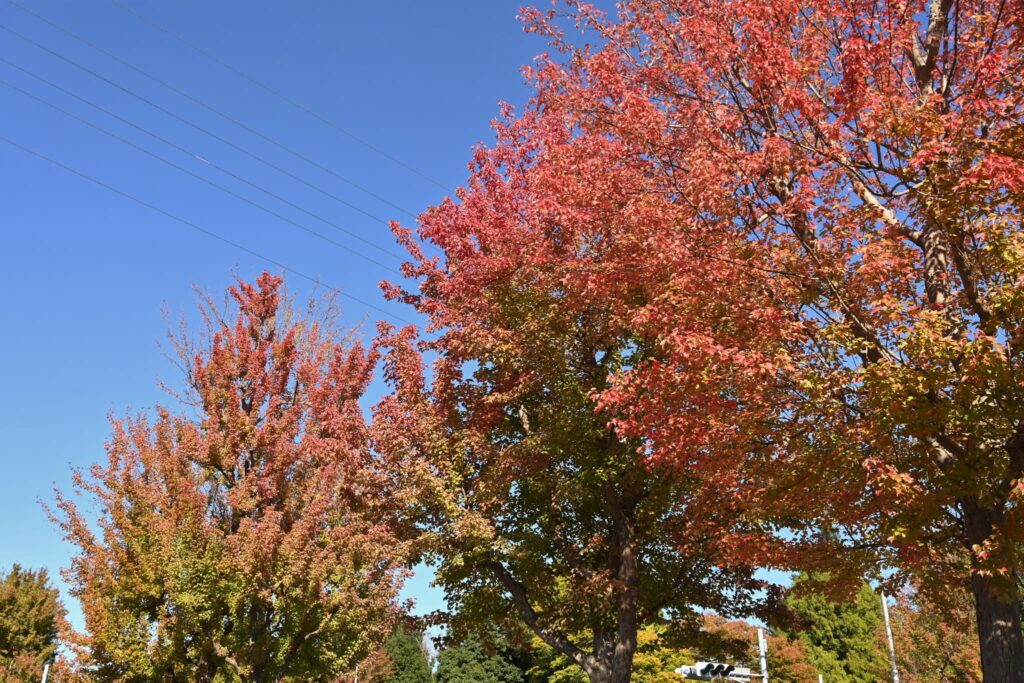
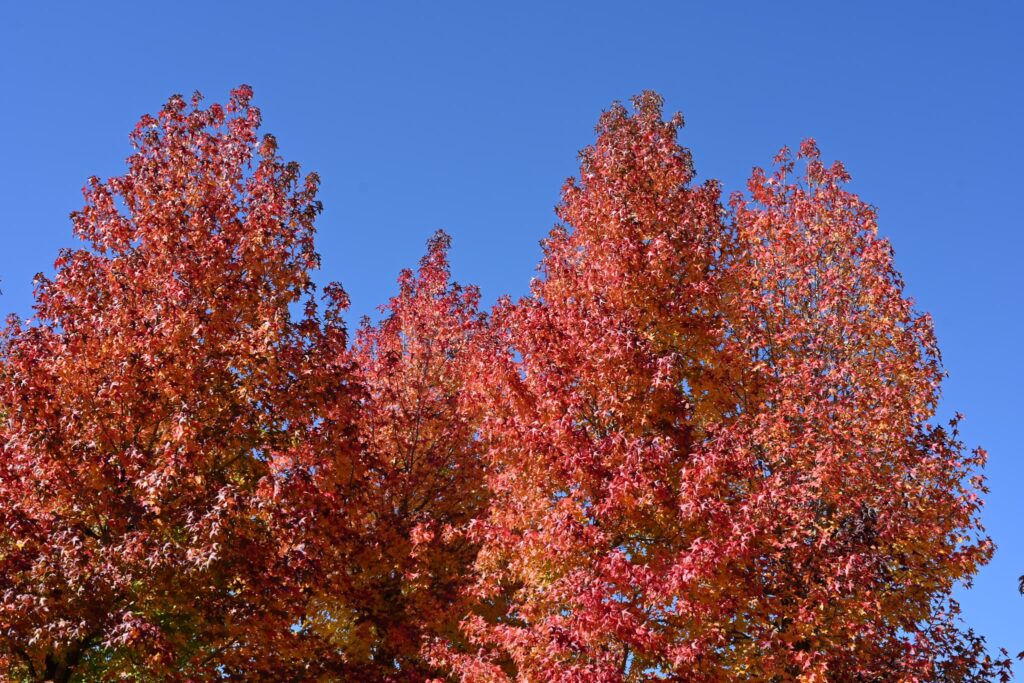
In autumn, the foliage may turn yellow, orange, or red depending on the tree and growing conditions.
Flowers
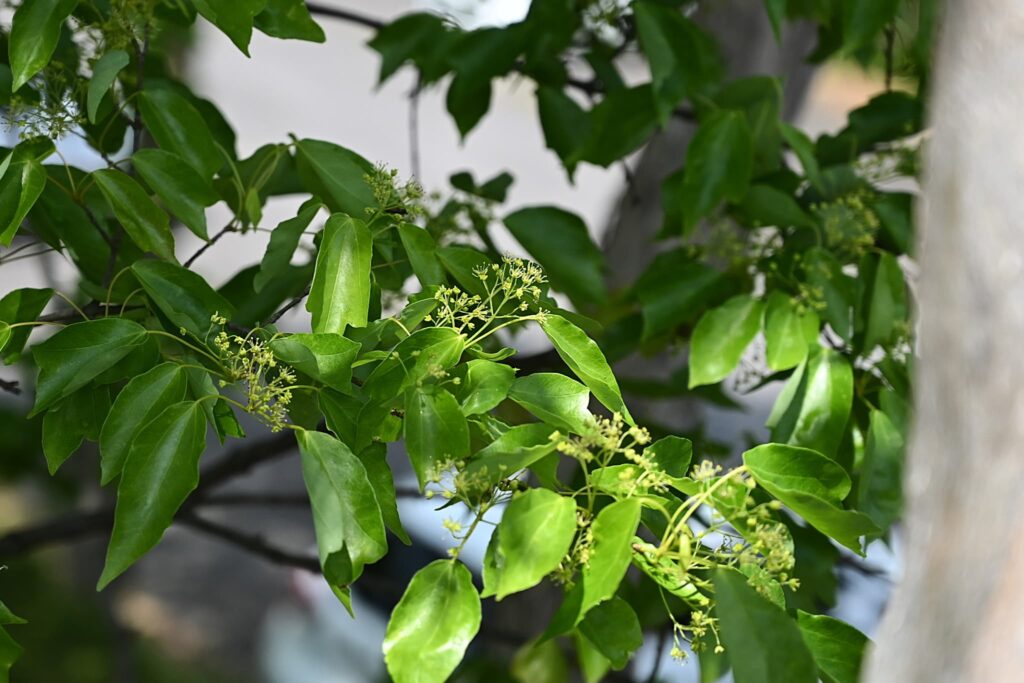
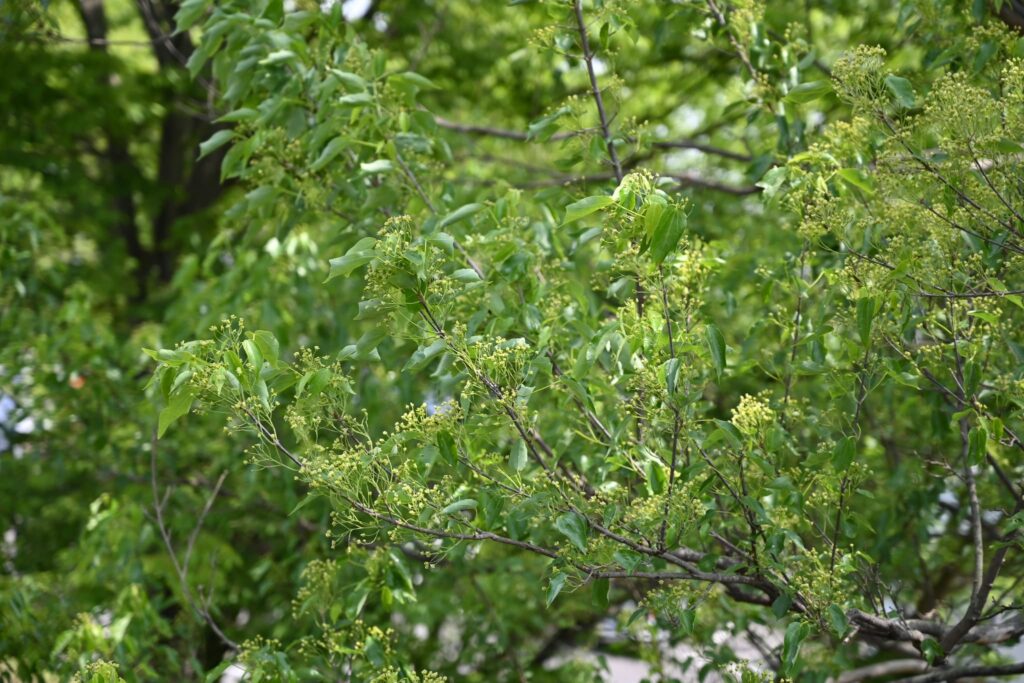
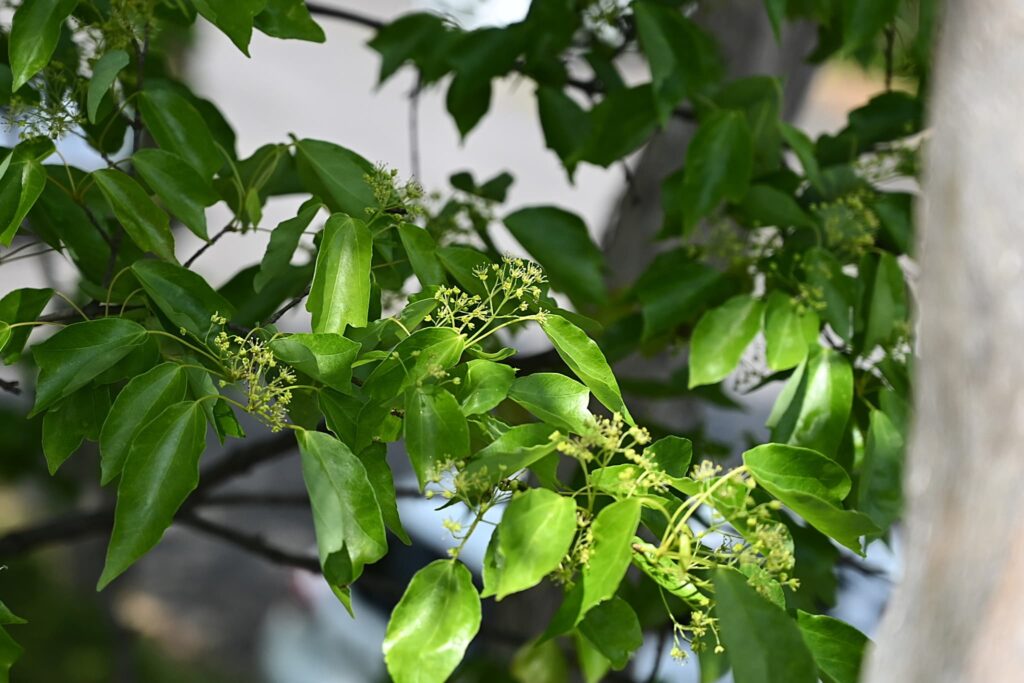
Trident Maple flowers in spring, usually from April to May in Japan. Small yellowish to yellow-green flowers are produced in terminal clusters.
The flowers are relatively inconspicuous compared with the foliage and autumn color. The species can produce both male and bisexual flowers on the same tree.
Fruits
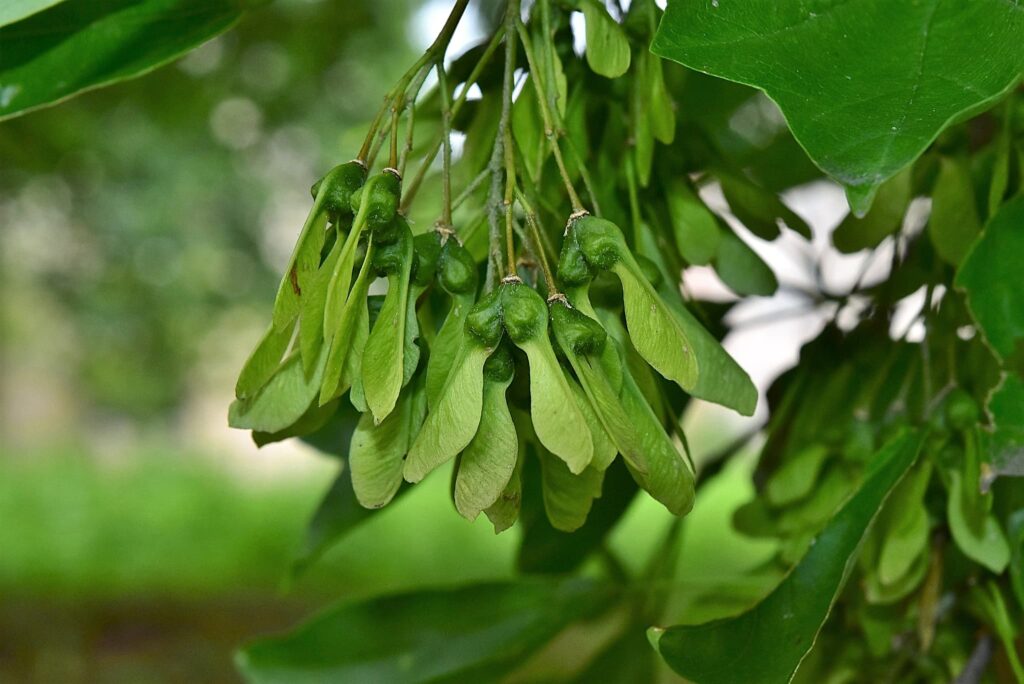
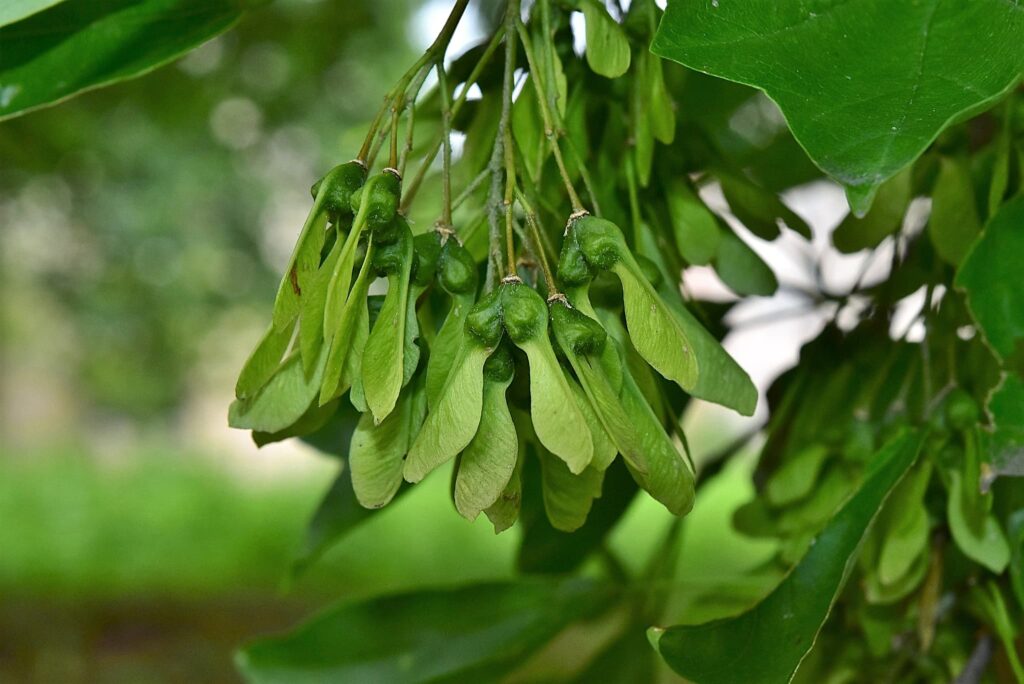
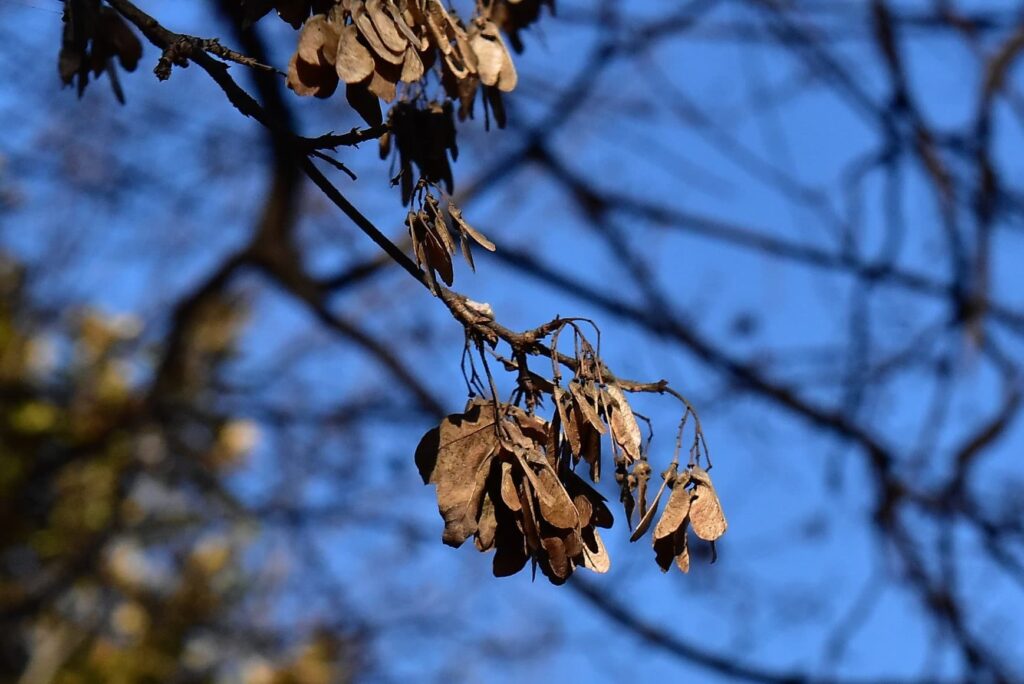
The fruit is a paired winged samara typical of maples. The wings are narrower and generally less widely spread than those of Japanese Maple.
Fruits mature from summer into autumn, depending on climate. Trident Maple can produce abundant seed, and the species is readily propagated from seed.
Bark & Timber
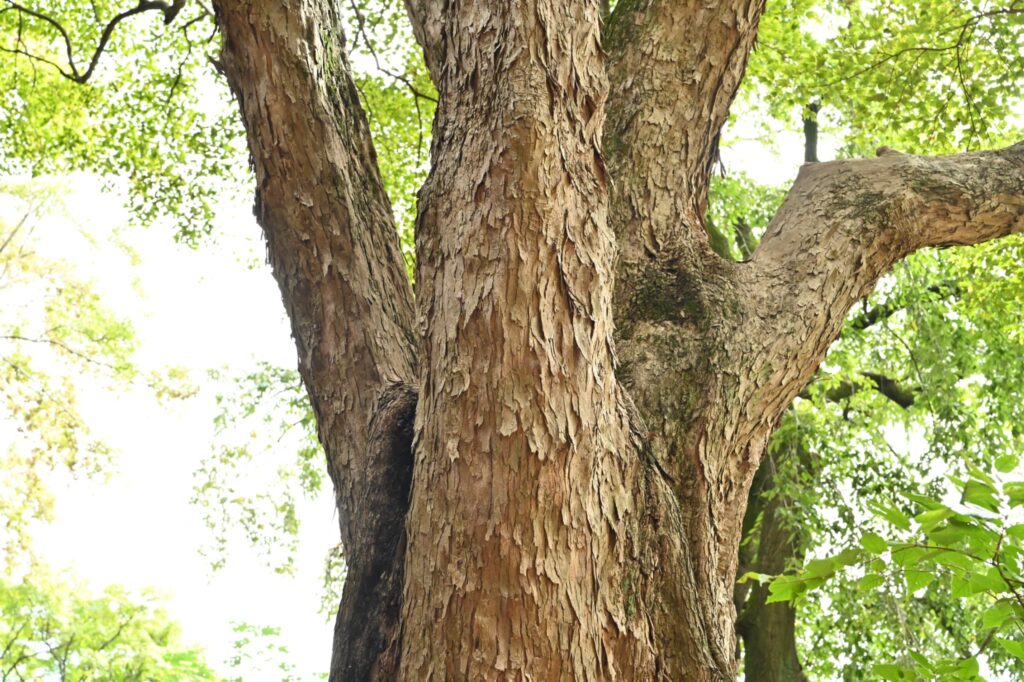
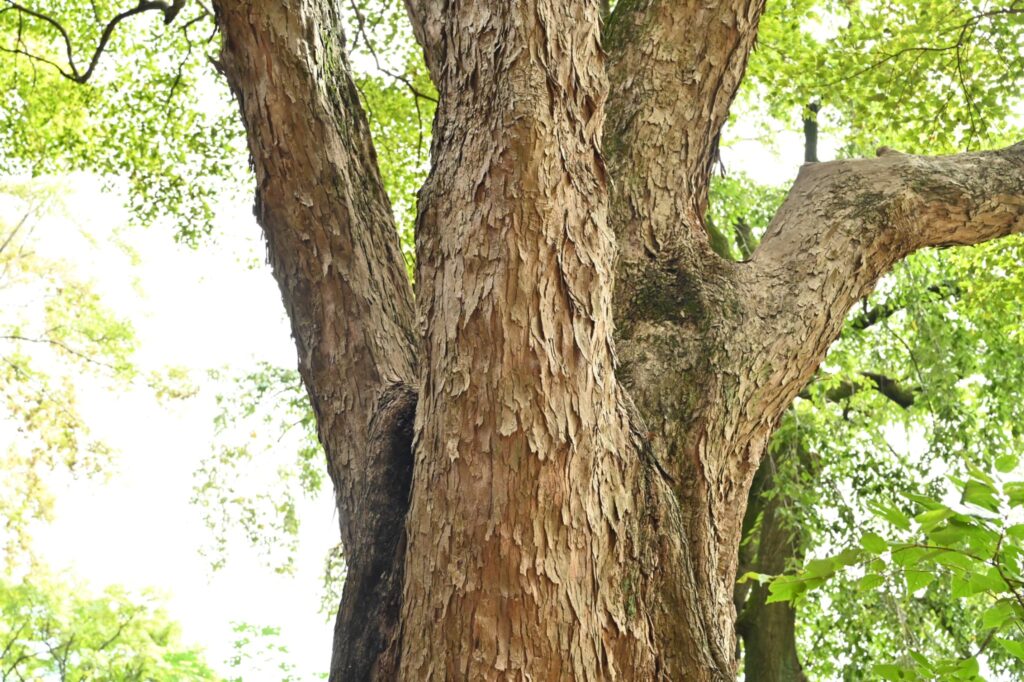
Young trees have relatively smooth gray to gray-brown bark. With age, the bark becomes rougher and may peel or break into vertical strips, sometimes developing conspicuous ridges and knobs.
The aging trunk is particularly attractive in bonsai and mature garden specimens, where the bark can provide ornamental interest even after leaf fall.
Size & Growth
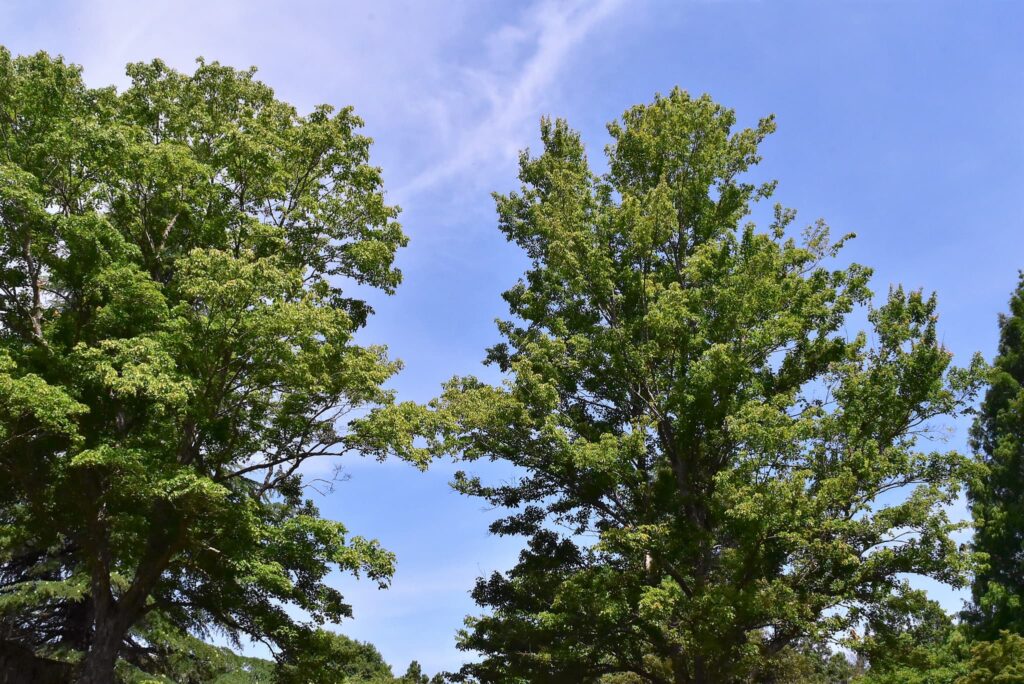
Trident Maple commonly reaches around 10–20 m (33–66 ft) in cultivation, although size varies considerably with site conditions. It develops a broad, rounded crown and can become a substantial shade tree.
Growth is relatively fast when young and slows as the tree matures. It responds well to training and can be maintained at a smaller size with regular pruning.
Uses & Cultural Significance
Trident Maple was introduced to Japan from China during the Edo period. The species subsequently became widely cultivated and is now a familiar tree in parks, gardens, and streets throughout the country.
The Japanese name Tōkaede means “Chinese maple,” referring to its origin.
Bonsai
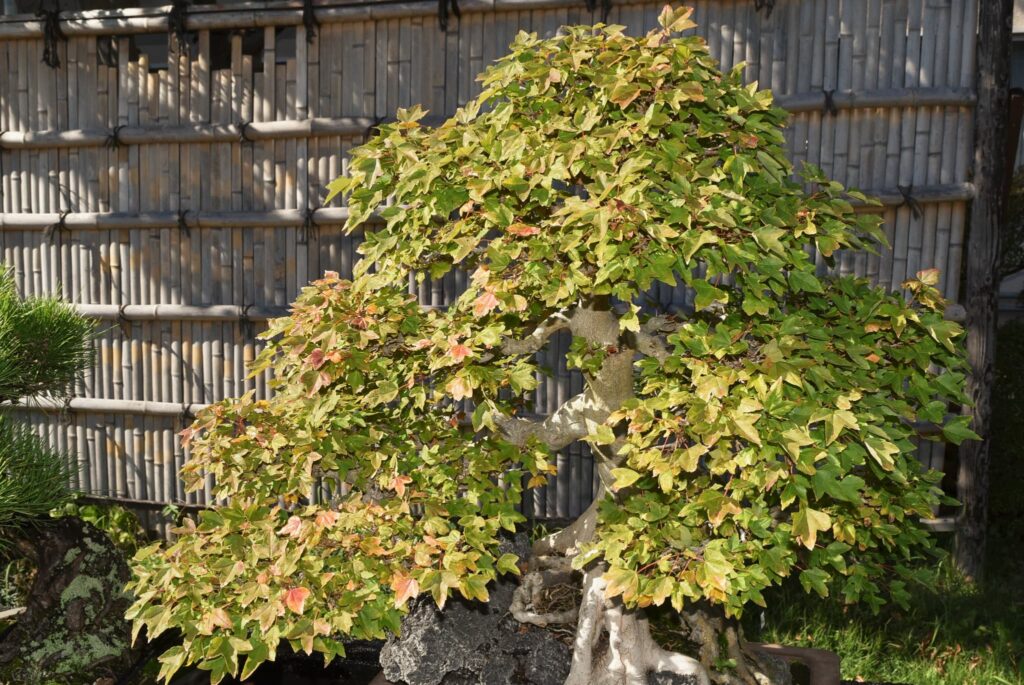
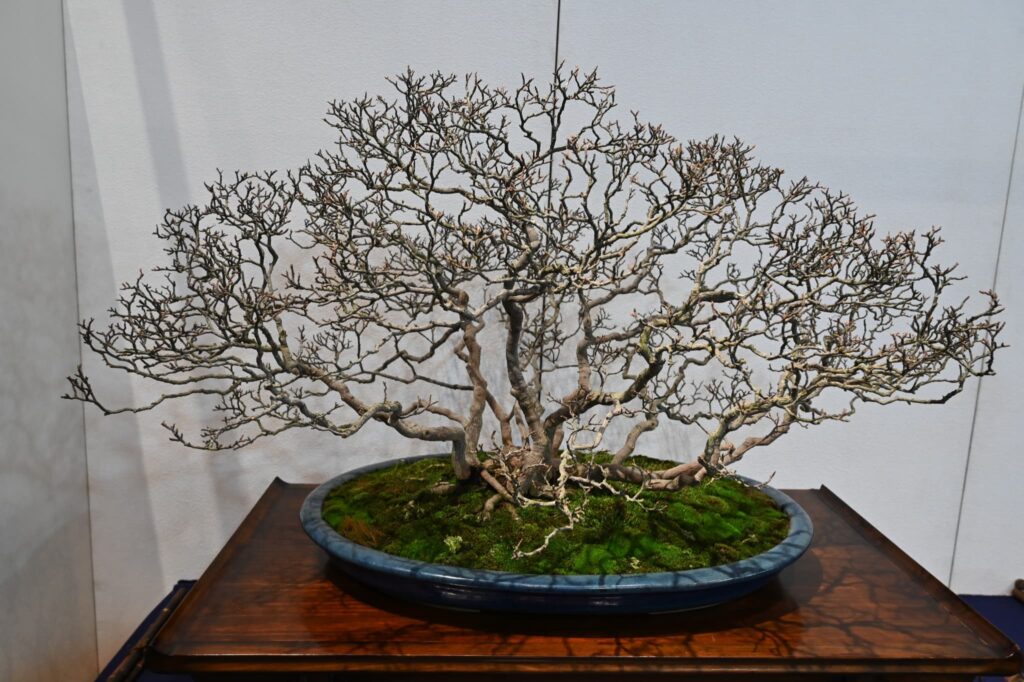
Trident Maple is highly regarded as a deciduous bonsai species in Japan and elsewhere.
Its advantages include relatively small leaves, vigorous growth, strong branching, tolerance of repeated pruning, and the ability to develop an attractive, textured trunk with age. These characteristics make it suitable for both formal training and more naturalistic bonsai styles.
Street Tree
Trident Maple is one of the important street-tree species in Japan. Its popularity is largely practical: it tolerates dry conditions, air pollution, relatively poor urban soil, and regular pruning better than many ornamental trees.
Its relatively rapid growth also allows it to establish useful shade and canopy cover within a reasonable period.
In Tokyo, Trident Maple ranks among the major street-tree species, while other Japanese cities also use it extensively.
Japanese Gardens
Trident Maple is also used in Japanese gardens and parks for its branching structure, seasonal foliage, and attractive autumn color.
Its tolerance of pruning makes it adaptable to both specimen planting and more controlled forms.
Growing Guide
| Item | Description |
|---|---|
| Light | Full sun to partial shade |
| Soil | Adaptable; prefers well-drained soil |
| Water | Moderately drought tolerant once established |
| Cold Hardiness | Approximately USDA zones 5–9 |
| Pruning | Tolerates regular pruning and training |
| Size | Eventually a large tree; allow sufficient space |
| Home Gardens | Best for medium to large gardens |
| Pests & Diseases | Generally relatively trouble-free, although common maple problems can occur |
Light & Soil
Trident Maple grows best in full sun to partial shade. Full sun generally produces stronger growth and better autumn coloration.
It is adaptable to a range of soils and is considerably more tolerant of dry and compacted urban conditions than many maples. However, well-drained soil and adequate moisture during establishment will produce better growth.
Japanese municipal and horticultural sources specifically note its tolerance of pollution, dry conditions, and pruning.
Water
Established trees tolerate periods of drought, but young trees should be watered regularly during dry weather until their root systems become established.
Cold Hardiness
Trident Maple is reasonably cold-hardy and can be grown across much of Japan. Exact hardiness varies with climate, cultivar, and local conditions, so USDA zone ratings should be treated as approximate rather than absolute.
Pruning
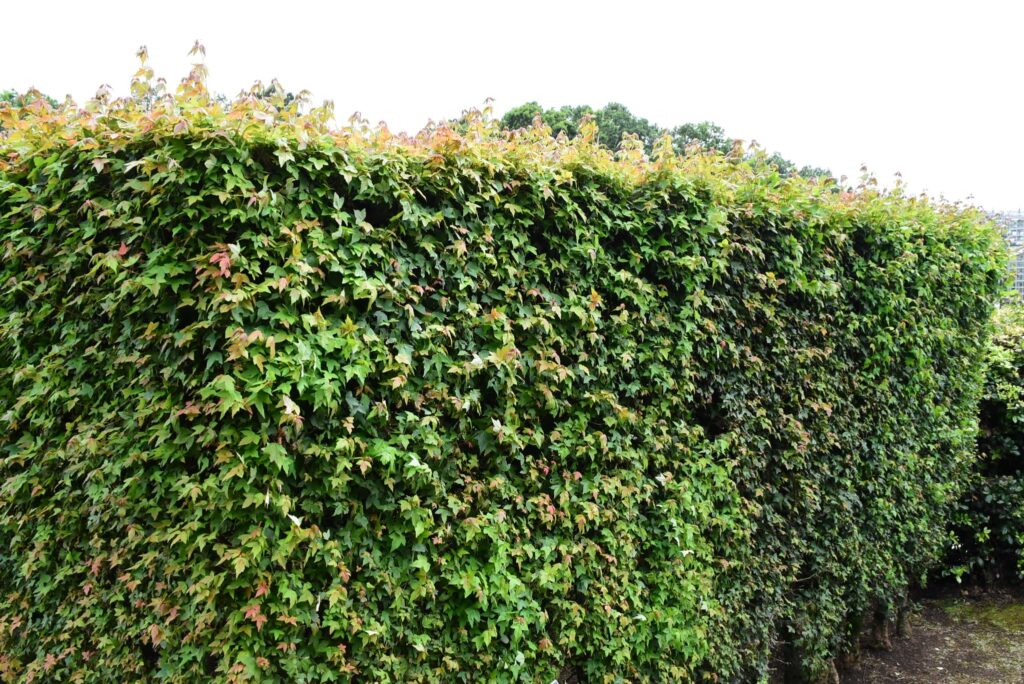
Trident Maple responds well to pruning and is frequently maintained by pruning in streetscapes, gardens, and bonsai.
However, its wood is hard, and large cuts should not be made unnecessarily. Regular structural pruning while the tree is young is preferable to repeated severe cuts on an older tree.
Suitability for Home Gardens
Although Trident Maple tolerates pruning, it ultimately becomes a large tree. It is therefore better suited to medium or large gardens than to very small residential plots.
Where space is limited, regular formative pruning can help control its size, but a permanently restricted planting site is not ideal for a large mature tree.
Pests & Diseases
Trident Maple is generally considered a relatively trouble-free tree. Nevertheless, stressed trees can suffer from common maple pests and diseases, including fungal problems such as Verticillium wilt.
Good drainage, adequate light, and avoidance of unnecessary root or trunk damage help maintain tree health.
Cultivars
‘Hanachirusato’
‘Hanachirusato’ is a popular ornamental cultivar known for its unusually colorful young foliage. New leaves emerge pinkish or cream and develop through green and reddish-purple tones as they mature.
It is especially valued as a specimen tree because of its colorful foliage.
Variegated Forms
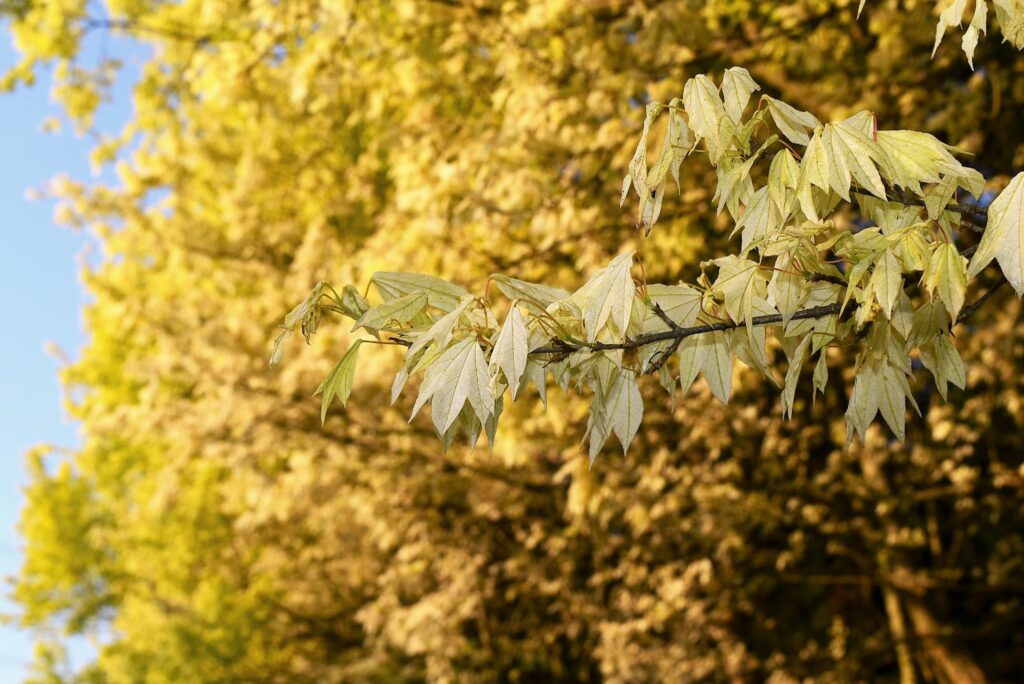
Variegated forms of Trident Maple have leaves marked with white or cream. Their bright foliage makes them useful as ornamental specimens, although variegated cultivars generally require more attention to sun exposure and vigor than the standard species.
Taiwan Trident Maple
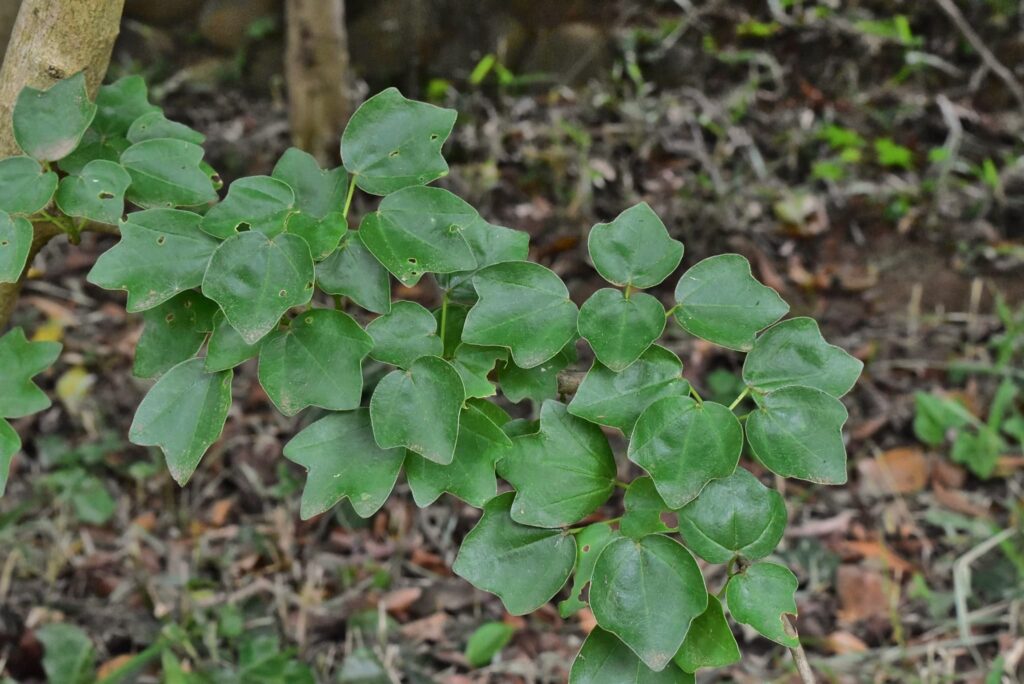
Taiwanese forms are associated with Acer buergerianum var. formosanum, a taxon native to northern and central Taiwan.
They are sometimes treated separately in horticulture because of differences in leaf and fruit characteristics.
Similar Species
- Japanese Maple (Acer palmatum) — Has much more deeply divided leaves and is usually easier to recognize by its finer leaf structure.
- Amur Maple (Acer ginnala) — Usually has smaller, more distinctly three-lobed leaves and is noted for strong red autumn color.
- Paperbark Maple (Acer griseum) — Distinguished by its strongly cinnamon-colored, peeling bark.
- Field Maple (Acer campestre) — A European maple with smaller, rounded leaves and shallower lobes.
Frequently Asked Questions
Why is Trident Maple widely used as a street tree?
It combines adaptability with ornamental value. It tolerates relatively dry soil, urban pollution, and regular pruning while still providing attractive spring foliage and autumn color. Japanese public sources specifically recommend it for streets and parks.
Why do Trident Maple leaves vary so much?
Leaf shape is naturally variable. Most leaves are shallowly three-lobed, but the depth of the lobes can differ considerably, and some leaves may be nearly entire.
Is Trident Maple easy to prune?
It tolerates pruning well, which is one reason it is widely used as a street tree and bonsai subject. However, its wood is hard, so large branches are better managed before they become too large.
Can Trident Maple grow in poor soil?
Yes. It is adaptable to relatively poor and compacted soils and is more tolerant of urban conditions than many ornamental maples. It nevertheless grows best in well-drained soil with adequate moisture.
Is Trident Maple native to Japan?
No. Acer buergerianum is native to China and Taiwan. It was introduced to Japan during the Edo period and subsequently became widely cultivated. Kew currently recognizes China and Taiwan as its native range.
What is ‘Hanachirusato’?
‘Hanachirusato’ is an ornamental cultivar of Trident Maple valued for its colorful young leaves. It is particularly attractive as a specimen tree.
Conclusion
Trident Maple is a highly adaptable Asian maple that has become an important landscape tree in Japan. Its shallowly three-lobed leaves, developing textured bark, attractive autumn color, and tolerance of urban conditions make it useful as a street tree, garden tree, and bonsai subject.
For gardeners, its main limitation is not toughness but eventual size. Given adequate space and regular formative pruning, it is one of the more versatile maples for Japanese landscapes.