Satsuki Azalea: Identification, Care, and Growing Guide
Satsuki Azalea is one of Japan’s most famous ornamental plants. This guide includes identification features, bark, flowers, fruits, and photographs taken in Japan.
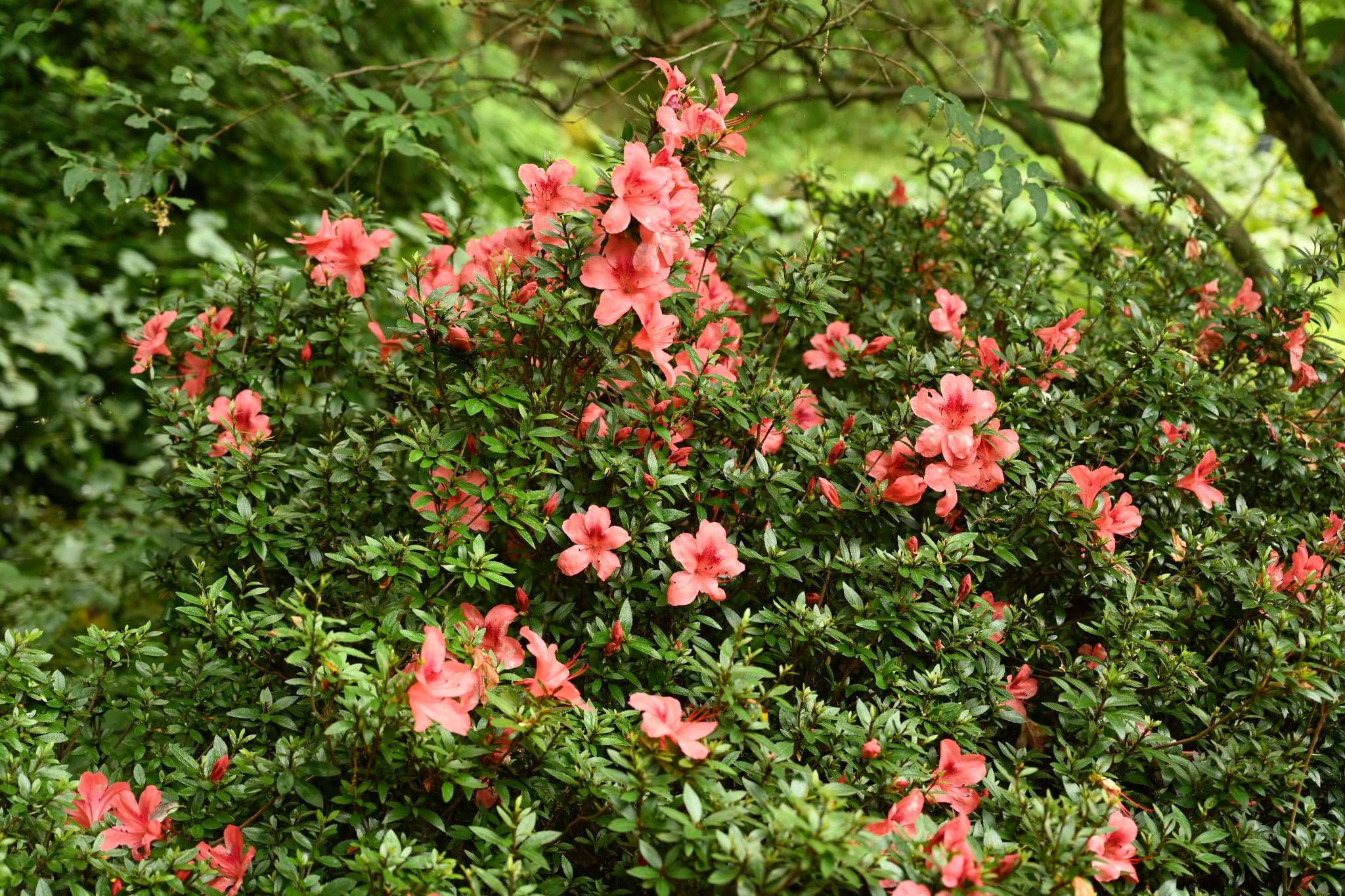
What Is a Satsuki Azalea?
・Satsuki Azalea is one of the most commonly planted ornamental shrubs in Japan, appearing in parks, gardens, streetscapes, and bonsai collections throughout the country.
・The name “Satsuki” refers to the fifth month of the traditional Japanese calendar, which corresponds to the flowering season.
・These azaleas are prized for their extraordinary diversity of flower colors, patterns, and forms. Thousands of cultivars have been developed, making Satsuki one of Japan’s most important ornamental shrubs.
Overview
| Item | Description |
| Scientific Name | Rhododendron indicum group |
| Common Name | Satsuki Azalea |
| Japanese Name | Satsuki |
| Family | Ericaceae |
| Native Range | Japan Naturally in southern Honshu, Shikoku, Kyushu, and the Ryukyu Islands. |
| Plant Type | Evergreen shrub |
| Height | 0.5–2 m |
| Flowering season | Spring(May–June) |
Identification Features
Leaves
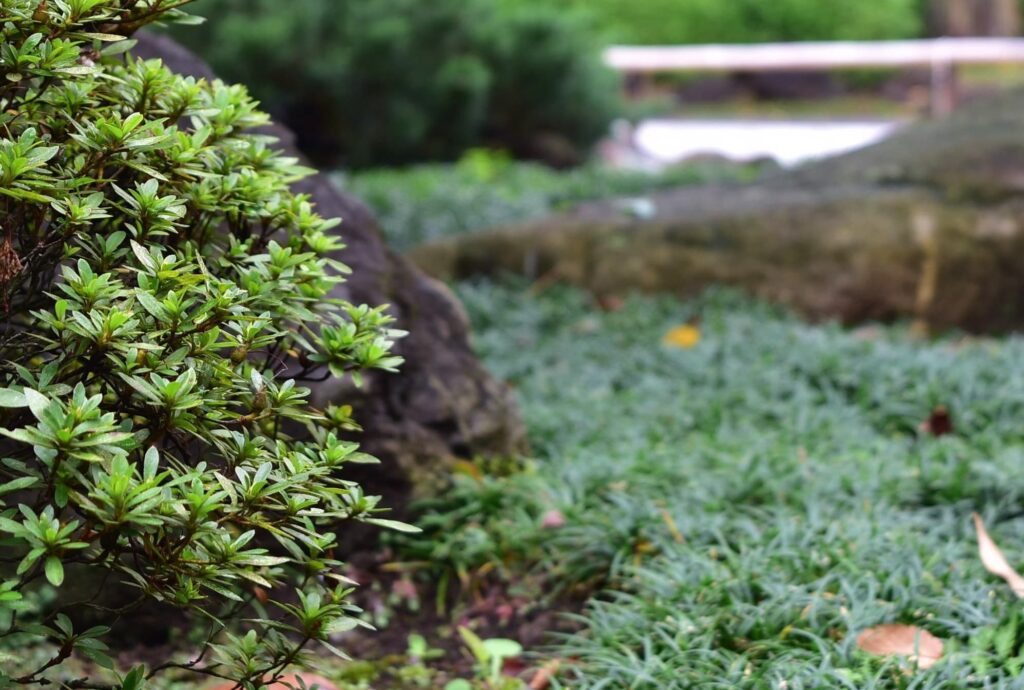
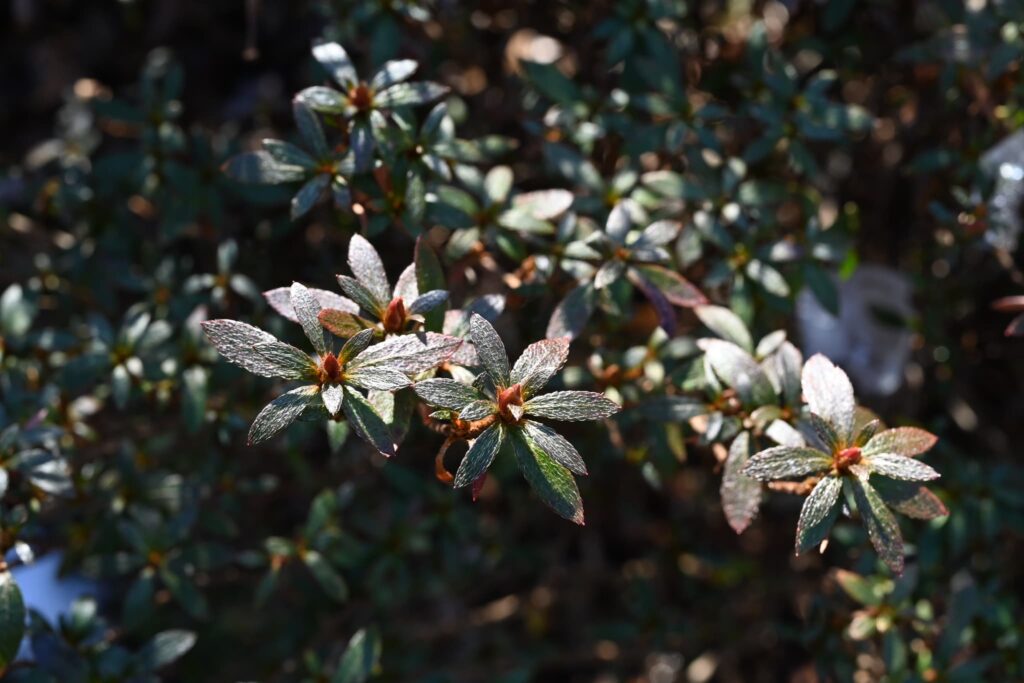
・The size of the leaves varies depending on the season and variety, and in horticulture, they are sometimes classified as “round leaves,” “large leaves,” or “small leaves.” The leaves of the original species are about 1–4 centimeters long, generally smaller than those of many other cultivated azaleas
・They are evergreen, but in cold regions, they turn reddish-purple in autumn. In areas with strong cold, they have a semi-evergreen nature, losing all leaves in winter.
・The leaves are elliptical with pointed ends, and the edges have fine serrations. Both sides have sparse brown hairs, but the surface is somewhat glossy.
Bark
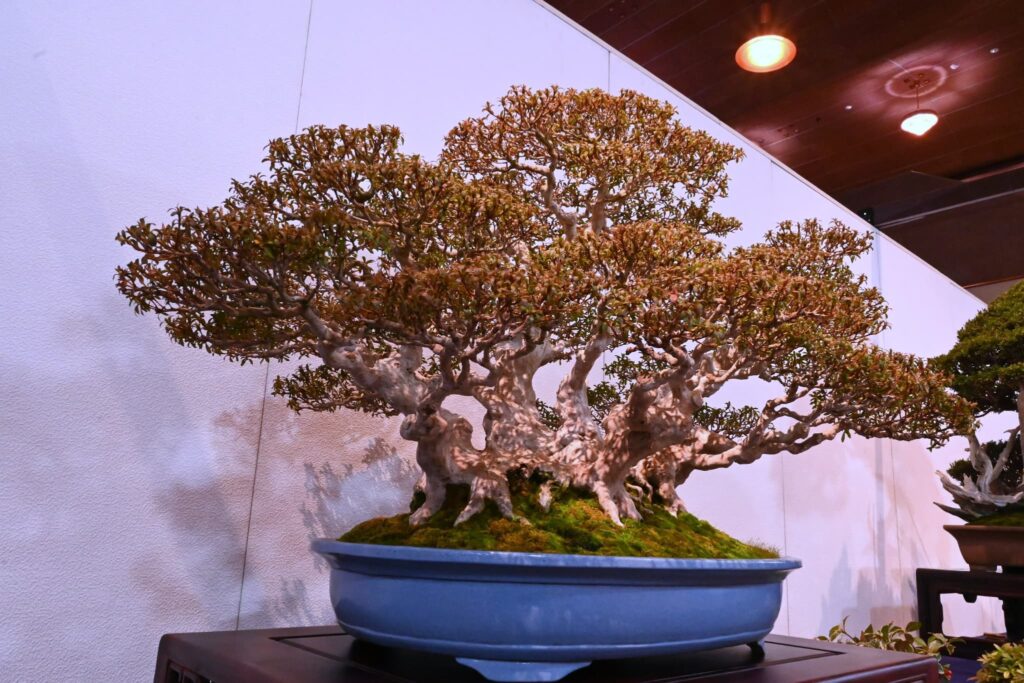
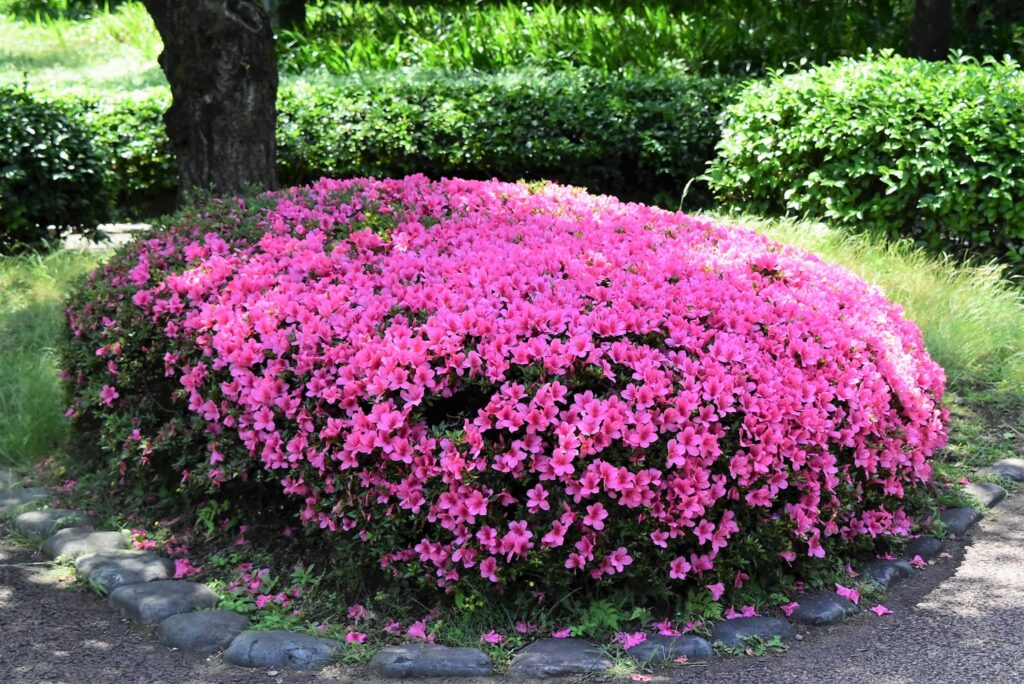
・The branches divide in large numbers from the base of the trunk and spread horizontally, with the natural tree shape being hemispherical. The bark is brown and is reddish-brown when young, but becomes a bright brown as the tree ages.
Flowers
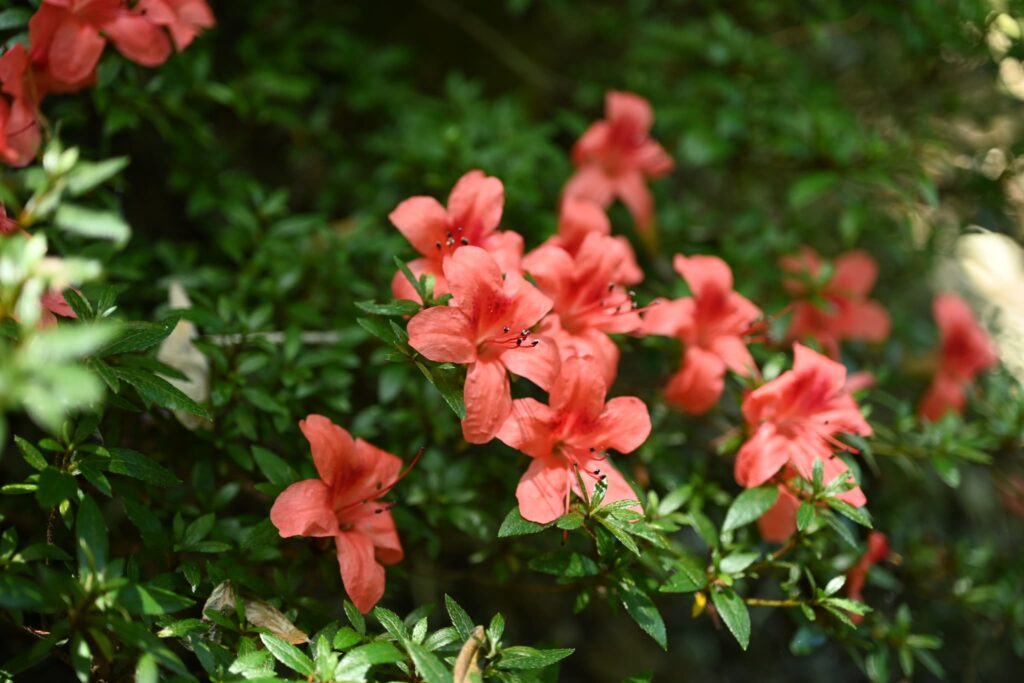
・The flowers of the Satsuki azalea are funnel-shaped and bloom one by one at the tips of the branches (rarely two). The diameter of the corolla is about 3.5–5 cm. Although small compared to other azalea species, some varieties can reach nearly 10 cm in diameter.
・The color of the wild species is a reddish hue close to orange, with spotted patterns on the upper inside. In Japan, it is also called ‘Tokenka,’ which comes from an old Chinese poem stating that a cuckoo, having sung until dawn, injured its throat and vomited blood, which dripped and stained a flower. However, Satsuki is native to Japan, and the name ‘Tokenka’ is considered a misnomer.
・Satsuki planted as street trees are either the wild species or varieties close to it. The tips of the flowers are divided into five parts, each of which is rounded. There is one hairless pistil, and 5–10 stamens, with anthers that turn dark purple.
Seeds
・After the flowers, dry, long-oval fruits develop, and in autumn they naturally split open to release numerous seeds. The fruits are 6–12 millimeters in diameter and have brown stiff hairs. The plant can be propagated by sowing seeds, but more commonly by the easier method of cuttings.
Satsuki azalea Varieties
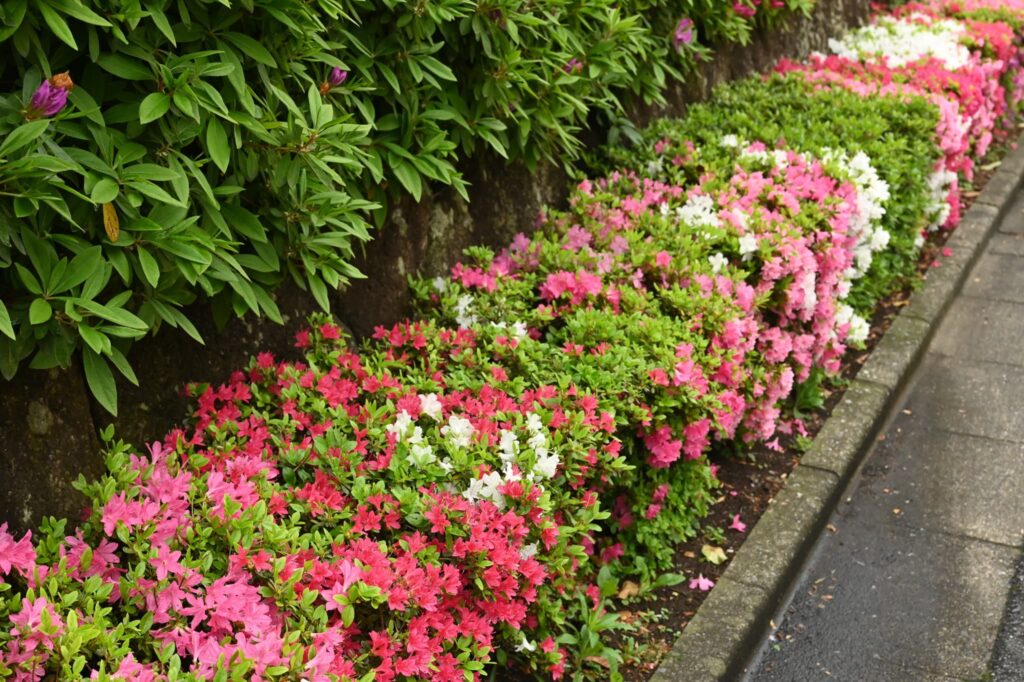
・There are said to be more than 2,000 horticultural varieties, but many are hybrids with closely related Maruba Satsuki, Kurume azaleas, or Western azaleas. Flower colors include pink, pink close to purple, white, bicolored, and striped patterns. There are also double-flowered varieties.
・The most widely distributed variety in Japan is Ōsakazuki (Large Cup). Others include Gyōten (Dawn Sky), Matsukagami (Pine Mirror), Chōjuhō (Treasure of Longevity), Jukō (Longevity Light), Seidai (Holy Era), Kinzai (Golden Pick), Kōzan (Shining Mountain), Yata no Kagami (Eight-Span Mirror), and many more.
Satsuki Azalea– Growing Conditions
| USDA Hardiness Zones | ・Zones 7–9 ・Some cultivars survive in Zone 6 with protection |
| Light Requirements | ・Full sun to partial shade ・Best flowering occurs with several hours of direct sunlight |
| Soil Requirements | ・Acidic soil preferred ・pH 4.5–6.0 ・Well-drained but consistently moist |
| Watering | ・Keep soil evenly moist ・Do not allow roots to dry completely ・Avoid waterlogged conditions |
| Additional Notes | ・Mulching helps maintain soil moisture. ・Avoid lime or alkaline fertilizers. |
| Native Habitat | ・In the wild, the parent species of Satsuki Azalea grow on rocky riverbanks and mountain streams where water is abundant but drainage is excellent. |
FAQ
What is the difference between Satsuki Azalea and Kurume Azalea?
Satsuki Azaleas bloom later, generally have larger flowers, and are widely used for bonsai.
Can Satsuki Azalea grow in full sun?
Yes, provided the soil remains moist and temperatures are not excessively hot.
How fast does Satsuki Azalea grow?
Growth is generally slow to moderate, about 10–20 cm (4–8 inches) per year.
Is Satsuki Azalea evergreen?
Yes. It retains its foliage throughout the year.
Why are my azalea leaves turning yellow?
The most common causes are alkaline soil, nutrient deficiencies, and drainage problems.
When should Satsuki Azalea be pruned?
Immediately after flowering.
Similar Species
Kurume Azalea (Rhododendron × obtusum)
Blooms earlier than Satsuki Azalea.
Usually has smaller flowers and leaves.
Commonly used for hedges and mass plantings.
Hirado Azalea (Rhododendron × pulchrum)
Produces larger flowers than Satsuki Azalea.
Grows more vigorously and can become a large shrub.
| Feature | Satsuki | Kurume | Hirado |
| Bloom Time | Late Spring | Mid Spring | Late Spring |
| Flower Size | Medium | Small | Large |
| Bonsai Use | Excellent | Moderate | Poor |
Sasanqua Camellia (Camellia sasanqua)
Sometimes confused when not in flower.
Has larger, glossy leaves and blooms in autumn rather than late spring.
Conclusion
Satsuki Azalea is one of Japan’s finest ornamental shrubs, admired for its extraordinary flower diversity and long history of cultivation. Whether grown in gardens or as bonsai, it remains a symbol of Japanese horticultural artistry.